
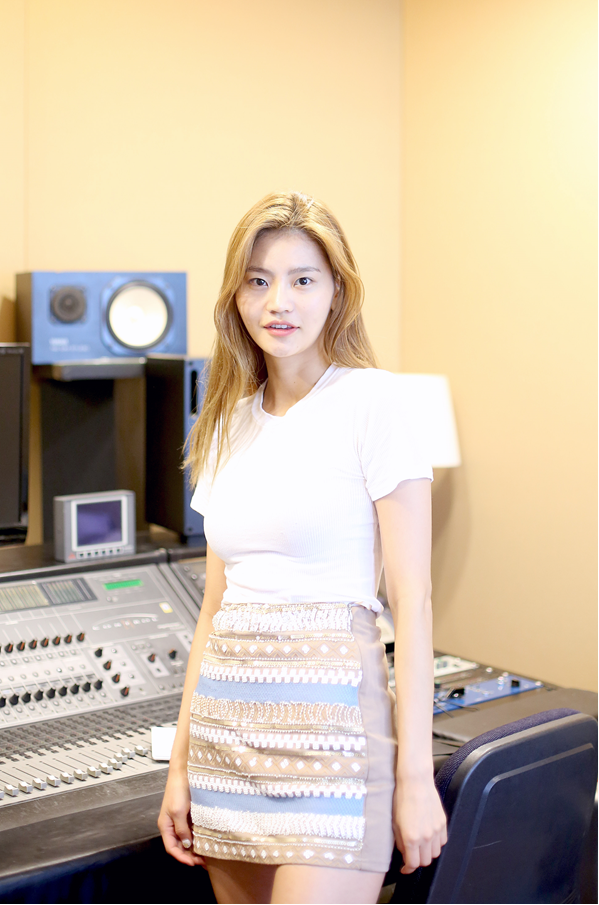
Anda, who was formerly known as Andamiro, is a Korean singer, model and actress who made her debut as a Korean pop singer in April of 2012. Anda dreamt of being a performer since her early teens so she experienced countless auditions until she finally got a deal with a record label.
As soon as Anda released her debut single “Hypnotize,” which was an upbeat and European style of electronic dance music, she shocked the audience with her unique sound, highlighted visuals and diverse dance and performance. Even the outfits she and her dancers wore on stage drew a lot of interest and aroused controversy since male backup dancers wore similar skimpy, elaborate attire.
The “Hypnotize” single was not recorded in just Korean; English and Spanish versions are available. The addictive sound and interesting theme of the video garnered a lot of interest from the European fans. Anda visited Spain to perform in front of a large audience and also made an appearance on national TV.
Anda’s former management company had setbacks and had to discontinue their business. As a result, Anda had to take two years hiatus until she made a comeback in early 2015. She auditioned for her current company, the Emperor Entertainment Korea, which is a new branch in Korea owned by one of the largest entertainment companies in Hong Kong. Anda is the first artist signed to the company. The Korean CEO is the composer Jun-myoung Choi who is known for creating hits for various artists including Junghyun Lee, Cool, Wax and Fin.K.L. Anda has known him since she was in her former label, when he used to be the vice president for that company.
In this interview, Anda talks about how she fell in love with the music and performing, what she likes to do in her free time and her goals for the future as she has in plans to expand her work with modeling and acting in the near future. Anda is currently wrapping up the promotion and work for her latest single, “Touch” and we anticipate her to make a return with brand new music very soon.
We would like to thank Anda and also her management team for providing us her precious time to do this interview; we hope the readers and especially her fans found it an interesting read.
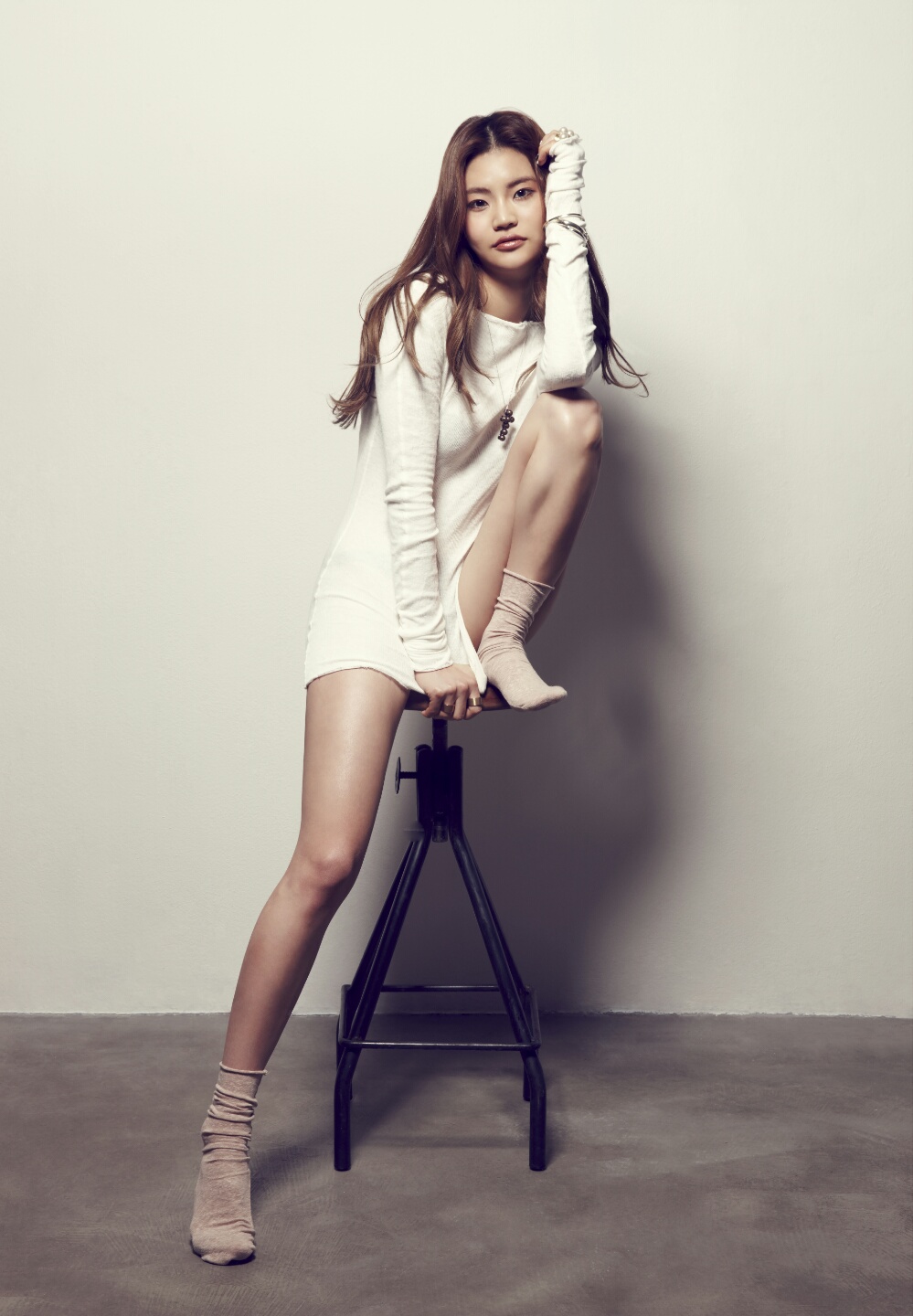
*Hello, Anda! Thank you very much for taking the time for a Kcrush interview. Could you tell us how you decided to become a singer?
When I was age 14, I was watching the movie ‘Mean Girls’ and there was a memorable scene where a gay student called Damien sang the song, ‘Beautiful’ by Christina Aguilera. I later searched the song on the Internet and really loved it. That’s when I started singing and inventing my own dance moves by myself at home. I guess the Christina Aguilera’s song inspired me to start singing and later to pursue a singing career.
*Why did you change your stage, ‘Andamiro’ to ‘Anda?’ (The meaning for ‘Andamiro’ indicates that the plate/bowl is bountiful to the point of overflowing. The word is pure Korean that was used in the past.)
The meaning for the name was great but because it was too long and wasn’t really efficient to pronounce at times. There were also too many businesses using and connected to the name. So we made a decision to shorten the name, ‘Andamiro’ to ‘Anda.‘
*How many hours do you spend on training each day approximately?
I train as many hours as possible at the studio by singing, dancing, and playing instruments from the moment I get up in the morning until I get home to bed. I try to do my best to train hard because I know how important hard work is; it really pays off later.
*If you could choose to do a concert anywhere in the world, where would it be and why?
I definitely would love to perform in New York. I’ve always had a certain fascination for the city since I was very young, and I still do. Last year, I took a trip to New York by myself and the whole process of the journey really motivated me. The vacation got me back on track in terms of decision making on a personal level.
It occurred to me back then that if I did not go on that trip, I would never have much chance to travel abroad alone later. I was going through a very difficult stage at the time, since I was not sure if I should continue to be a singer, so the trip to the States ended up being a special one for me.
I would really love to do a concert in America.
*What do you like to do when you have free time?
I play games on the mobile when I’m bored. I absolutely love watching movies; it’s what I enjoy a lot when I have time. There are so many movies that I enjoyed watching. There are a lot of movies that I can think of right now. One movie that particularly inspired me and would recommend is Blue Jasmine featuring Kate Blanchett.
*What kind of food do you enjoy consuming and do you have a special diet or work out to stay slim as you are?
I love eating all kinds of bread and cakes. I really have the craving for sweet delicacies. I work out and while training, do a lot of dance routines. I am not restricted on what I eat, but I take care to keep in shape for myself.
*Do you like to travel? Would you recommend a great place to visit in Korea for our readers?
There is a county in Kangwon province in Korea called Yang Yang that I would really like to recommend to travellers. Kangwondo is where you can also find the Seorak Mountain and the Jukdo beach.
People generally tend to just assume those kind of regions are agricultural, less developed, expect the majority of the population there are mostly all elderly people and generally just mundane. But Yang Yang is such an amazing place, and it’s a whole different world. I’ve visited a few times and there is just so much to see and enjoy there: The beach filled with young people enjoying themselves, surfing the waves and the whole atmosphere is definitely worth visiting.
*Regarding your latest single “Touch” – Could you explain the theme and the concept behind the music video?
We wanted try a concept that was less common and different because the truth is that you see a female singer with male actors and dancers all the time in music videos.
At first, arrangements were made to feature only male models for the music video, but they were switched to all female models at the very last minute. The change happened just a day before the shoot of the video.
Undeniably, the concept for “Touch” does contain a slight homosexuality code, but when you pay attention to listen to the lyrics, I would not say the music video is excessively sexual or intended to draw focus on homosexuality.
*What has changed the most for you after becoming a celebrity?
A lot has changed regarding my mind set and how I handle situations.
There are so many fans showing support for my music and what I do, which I am so very grateful for. On the other hand, there are at times I see comments by certain people who like to post nasty remarks or make untrue accusations online about my appearance and whatever, which can be hurtful.
At first, I didn’t understand why I should be judged by my looks. I made up my mind not to read the negative comments from now on. It’s not worth my time and I can’t get upset over spiteful comments made by strangers who don’t know the real me.
But most importantly, I must mention again that I am truly very thankful for the people who show support and like my songs, both domestic and from abroad.
*Could you describe what kind of person is your ideal?
My ideal would have to be someone I can trust and admire and get inspired by. I’m not the type who is picky about someone’s appearance; I don’t really judge people just by their looks. Although being good-looking would be a plus in most cases.
*Do you have any memorable episodes you’ve encountered while you were on stage performing?
Once, I was on stage doing a live performance in Hong Kong and the performance was supposed to be for contest, so I couldn’t afford to mess it up.
I was performing my song “Hypnotize,” and I never expected one of my heels would break off at the start of the song. The choreography and whole the performance for the song requires a lot of charisma, so the only thing I could do at the time was to keep dancing, pretending nothing was wrong. I couldn’t bring focus on the missing heel so I tried to get the camera to focus on my facial expression and tried to keep performing as nothing happened. Other than the issue with the heel, the performance went quite well.
*Based on your experience, what kind of advice would you give to anyone who wants to pursue a singing career?
There are so many people who are gifted and talented these days, so that’s why I think the most important thing to be able to do initially is to discover your unique point and figure out what it is that makes you stand out as an individual. You also need to be prepared to work extremely hard on what you have that defines you unique from others.
We would like to thank Anda for providing us her precious time to do this interview; we hope the readers and especially her fans found it an interesting read.
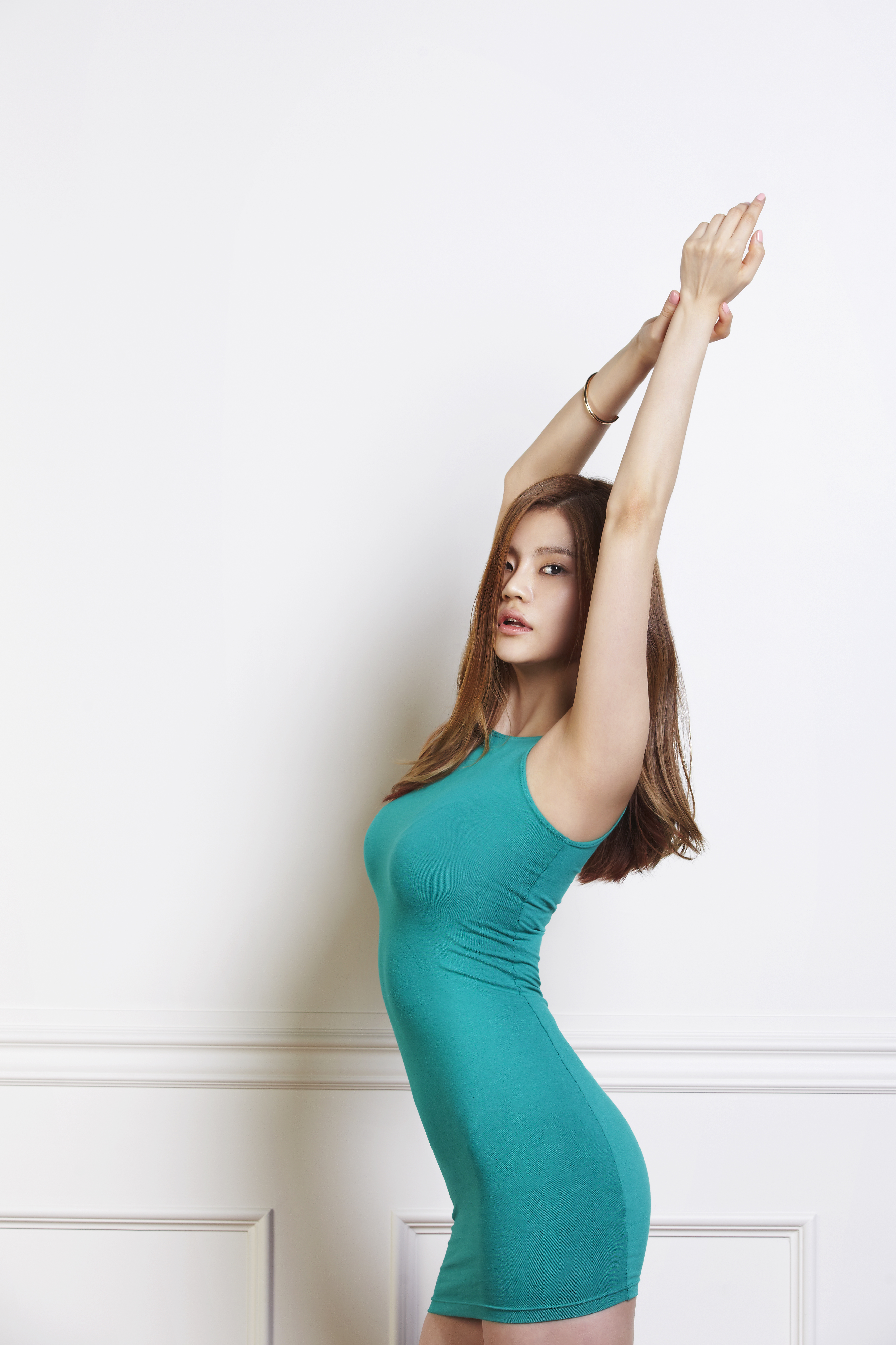
— J.Chung.
The Big Bang concert is hitting Los Angeles area again in just over a month from now. The Kpop popularity is soaring with splashes from both boy bands and girl groups left and right. In their dashing movements are some of the amazing skills that we don’t often see from other parts of the entertainment industries. The not-so-well known secrets of their success is probably the power of choreography along with other visual enhancements. Not too long ago, the new music video released by 2NE1, Come Back Home, was so reminiscent to the graphic illusion of the famous movie The Matrix that some would even challenge it with the accusation of plagiarism—please give me a break—to the idea of the virtual reality. A virtual reality?
Actually, the real essence of their so-called virtual reality draws its strength from the choreography underneath all the idea and graphics. If you look at closely, it’s all predesigned movements and steps that make the video all worthwhile. The latest example is the revival of the 1977 smash hit 나 어떡해 (Do you Know Me) by T-ARA. Their official music video is dressed up with very attractive colorful, yet original, customs on the stage. However, what makes the whole engine pouncing is the choreography of each and every movement by all the participating members in the music video (whether they are the girl group members themselves or otherwise).
One that comes up in mind is Rino Nakasone, a Japanese dancer/choreographer who just won the Huading Awards in 2015 for the category of Global Best Dancer-Actor. She choreographed for the big names such as Shinee, Girl’s Generation as well as TVXQ and BoA in her early days. Rino’s success is no surprise seeing that she earned her stage reputation while touring with icons such as Britney Spears and Gwen Stefani as a backup dancer. She also joined the prominent Beat Freaks to compete in America’s Best Dance Crew and was a runner-up in 2009. Her brilliance transpired directly into the success of boy bands and girl groups in the wave of this Kpop era. Yet she is not the only name to remember.
Another new name we should be paying attention to carefully is a young choreographer Parris Goebel and her choreographed Big Bang’s new video Bang, Bang, Bang, just released at the onset of this summer. It will blow your mind away and all those wonderfully choreographed videos of the past by various Kpop stars. It is filled with dazzling graphic and movement. There are so many components to work with from steps to fire and automobile in the background along with all other moving parts. Choreographing dances is only half the story. Goebel’s ingenuity shines in carefully fitting all the moving parts in unison with dance and music. It makes the whole video to come alive as though the entire screen is dancing right in front of your very eyes.
Perris Goebel just turned 23, but she is already living the dancer’s dream of every aspiring professional whose wannabe’s will idolize her like all those wannabe’s of the ice queen Yuna Kim. Having worked with Jennifer Lopez, Goebel is no stranger to the stars like Rino was, and she is the three time winner of the prestigious World Hip Hop Dace Championship. Her relentless strength as a dancer is that hip hop is a way to follow her “dream from dancing for fun to dancing on the world stage.”
Goebel doesn’t see any real difference between hip hop and Kpop dances. The biggest challenge is the cultural understanding. In that she succeeded in bridging the cultural aspiration with the dynamic yet very artistic movements of hip hop dances along the tune of Kpop music. Without her choreography, Big Bang’s Bang, Bang, Bang may very well have been lots of bang with no real Bang in it.
Jeju Island’s largest resort, ‘Jungmun Resort’ has created an entertainment and media tech museum called, ‘PLAY K-POP’ for K-pop lovers and enthusiasts.
The museum was launched on June 25th of this year and this kind of concept of ‘entertainment meets the latest technology’ has never been introduced to the public before.
The museum has a live hologram concert hall, where K-pop stars emerge and greet the visitors with the latest digital tech; the ‘PLAY K-POP’ audience can get a close-up experience of being at an actual performance of K-pop artists in a ‘Live hologram concert.’ You can also meet the Hallyu stars in 3D and virtually ‘in person’ and perform with the celebrities on stage, if you choose to.
The special exhibition hall features numerous activities like, ‘Meet the Star’ where visitors can experience a date with a Korean celebrity of your choice, the participants can experience being a star themselves in ‘I am a Star.’
Because the museum is very large in scale, the building with its three floors packed full of entertainment, it would take hours to look around and enjoy the fun.
You can travel back in time to learn about the history of Korean popular contemporary music and dance during the 70s to the 90s via the ‘Sound tunnel,’ ‘Music library,’ ‘Hall of Fame’ and enjoy so much more.
As the museum’s slogan says, ‘PLAY K-POP’ is where dreams become reality.
The PLAY K-POP is open all year around, from 9am until 7pm.
The admission Fees: Adults 15,000 KRW (Which is approx. 15 U.S dollars) and teenagers can get access with 13,000 KRW (13 U.S dollars)
The Special Hologram Concert will charge an additional price of 10,000 KRW. (10 U. S dollars)
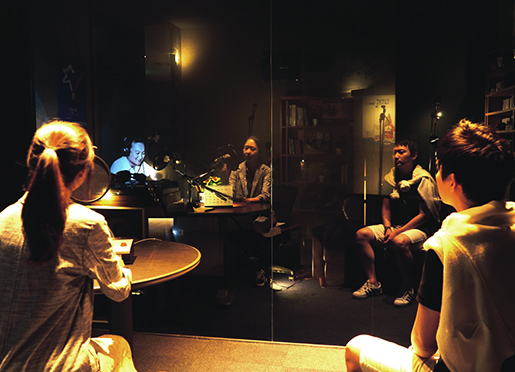
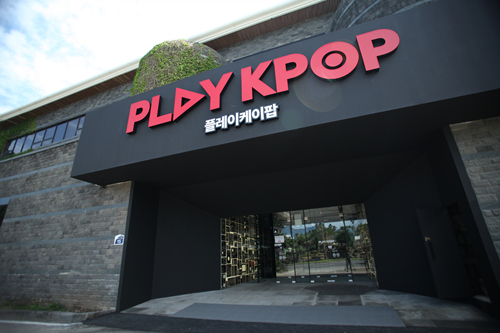
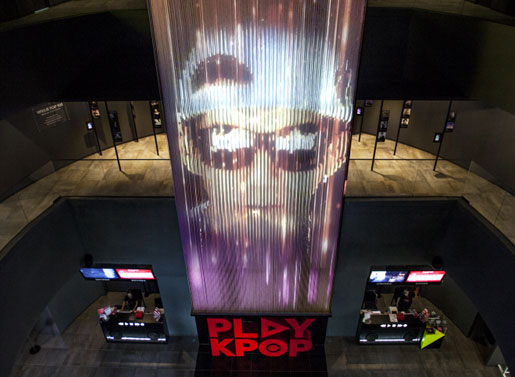
Photo credits: PLAY KPOP
J. Chung.
KARA’s Gu Hara made her solo debut July 13 with “Choco Chip Cookies.” The song is about a couple who enjoy making and sharing cookies with each other. Given the sweetness of Hara’s vocals and the track’s soft music, the song—on the surface—is sweet and innocent and a cute love song. As the song unfolds, the chocolate chip cookie treat shifts to become a metaphor for romantic relations, especially when Giriboy’s rap is introduced.
The video has plenty of cute summer romance between Hara and her partner. The soft filters help provide the romantic, nostalgic feelings that may cause a viewer to reflect on a summer fling of his or her own. It was a cute stylistic choice to incorporate grainy, glitch film footage of the couple at play. Doing so helped make the pairing feel more realistic.
Overall, the video is very pretty, especially the beach scenes where Hara and her love are highlighted by the setting sun. The MV’s filming provides a sense of timelessness.
However, while there is this timeless film, the video is plain and basic and falls under the category of “MVs that are designed to show off how cute and pretty this female idol is.” There are plenty of sexy poses and rear, breast, and leg shots. Yes, Hara is a pretty, sexy individual, but this makes the summery romance MV feel cheap and shallow.
Of course, sexiness and sexual relations are the sub-themes for “Choco chip Cookies.” This is indicated by the bath bomb penetrating the pool at the beginning and turning it red (loss of virginity; red is the symbol of romance and passion). Then, throughout the MV, viewers are treated to symbolic scenes of Hara sucking on a lollipop (fellatio), dancing with her mate (intercourse), and fireworks (orgasm).
Pair the imagery with the lyrics, and the theme of baking cookies turns from wholesome to fiery. Cookies involve mixing ingredients (the couple’s chemistry), waiting for the cookies to bake (foreplay), and eating the cookies (intercourse). If this wasn’t the obvious metaphor at first, Giriboy cements the song’s meaning by rapping:
I’m so tired today but if I eat it all without leftovers
I know you’ll praise me
I don’t doubt it, I don’t want to unwrap the box
I just want to keep it, freeze it (yeah)
I think this is the best thing I’ve tasted
Can you make these for me tomorrow (and the day after?)
I don’t wanna give these to anyone, I wanna be the only one eating
If others eat this, their teeth might fall out
Of course, the song isn’t a bad song and is a solid solo debut for Hara. Coming into the debut, she had a lot of naysayers that felt she wasn’t a strong enough vocalist to carry solo material. Her voice is thin, but it is sweet, innocent, and refreshing. While the MV isn’t the best, it’s cute; so is the song… double meaning excluded (although cleverly crafted). Hara did well with the material and earns a 3.5/5.
Do you have an MV, album, or single you want us to review? Let us know on Facebook! New or old, suggestions may appear during the week or on Flashback Friday!
—-Joelle Halon
KCON 2015 is quickly approaching and having experienced the beast last year first hand, I can tell you, you WILL need to prepare ahead of time. Here are a few details and tips for those unfamiliar with the convention.
- Familiarize yourself with the lineup.
Red Velvet, GOT7, Monsta X and Sistar are only part of the amazing line up this year. For the younger generation attending, Shinhwa’s 1996 debut may have occurred before you were born but that doesn’t mean you should ignore them. They recently had a comeback with “Sniper” and it was a great song. Another older group is Super Junior, and while not all their members will be in attendance, they definitely will put on a great show.
Alongside the performers, you have actors and other guests attending as well! So far Daniel Henney, Ki Hong Lee, Son Ho Jun, and Kim Soo Hyun have been announced. Kim Soo Hyun is known for his role in My Love From The Star and definitely would be a treat to meet, which brings me to my next point.
- Fan Interactions.
Arguably one of the best parts of the convention. With each ticket level you have a chance for at least one fan interaction pass. There were three levels last year: audience interaction, hi-touch and signing. All of them are completely random scratch off cards you receive when you check in at the convention.
An audience pass, which all ticket tiers have a chance to have this year, allows you to watch the artists during their interaction, which is pretty exciting. There is also a red carpet version of this where you get to watch the stars walk the red carpet before the concert.
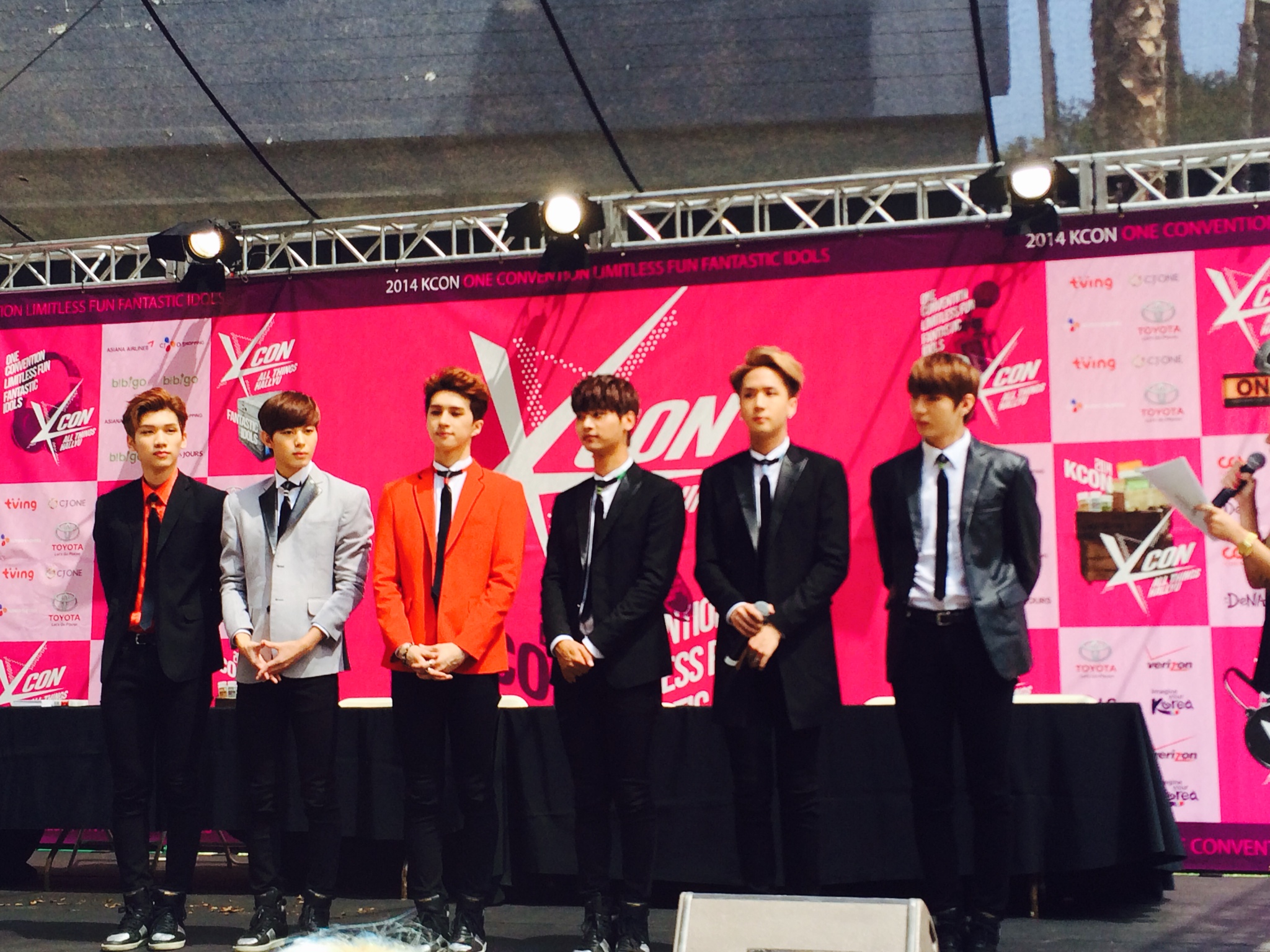
A hi-touch pass allows you to hi-five or shake the hand of the group during the interactions and a signing pass will allow you to get something signed by the artists. All of these are great opportunities to see your favorite groups up close. I was able to watch Teen Top during their interaction, meet BTS and B1A4 and get an item signed by VIXX.
One IMPORTANT fact about how the interaction passes work is that you may get passes for groups attending on different days than the one you are attending. For example, you may only be attending day one of the concert, but you could receive a pass for someone attending day two.
Many people will be willing to trade for certain groups so keep an eye out for that if you do not originally get the group you want to interact with.
I included a few of my own photos from fan interactions for visual reference.
- Enjoy the rest of the convention
The convention during the day is another fun part of KCON. There were dozens of venders selling all sorts of food and merchandise for really good prices. Bring cash with you beforehand because you’re bound to see something you want and not all venders will take cards.
There will also be workshops that you can attend. There hasn’t been a full program released yet, but the ones last year were very entertaining and filled up the time before the concert. They have invited several YouTubers, cosplayers and writers this year, so who knows what all is in store for KCON attendees.
This year the convention part of the festival is indoors but still be sure to drink plenty of water and eat so you’re able to experience all that KCON has to offer!
- Dress Wisely
This is something many people do not think about because of the excitement for the upcoming event. If you’re in a seat for the concert this year this section may not apply to you (but if you plan on standing, a few things might). Those with GA (General Admission) tickets should remember to dress accordingly for being in a standing crowd. During G-Dragon’s performance last year people got pretty close together in the standing area so it got really hot, really fast. Wear shoes that you will be able to stand for a few hours in to minimize any discomfort.
If the crowd ever gets too rough or scary, make sure you are safe and leave if you need to.
Most importantly, remember to respect yourself and others. Don’t ruin your, and potentially others, KCON experience. Hopefully these tips will help you get the most out of this fun convention!
—-Ke’Anna Bullard
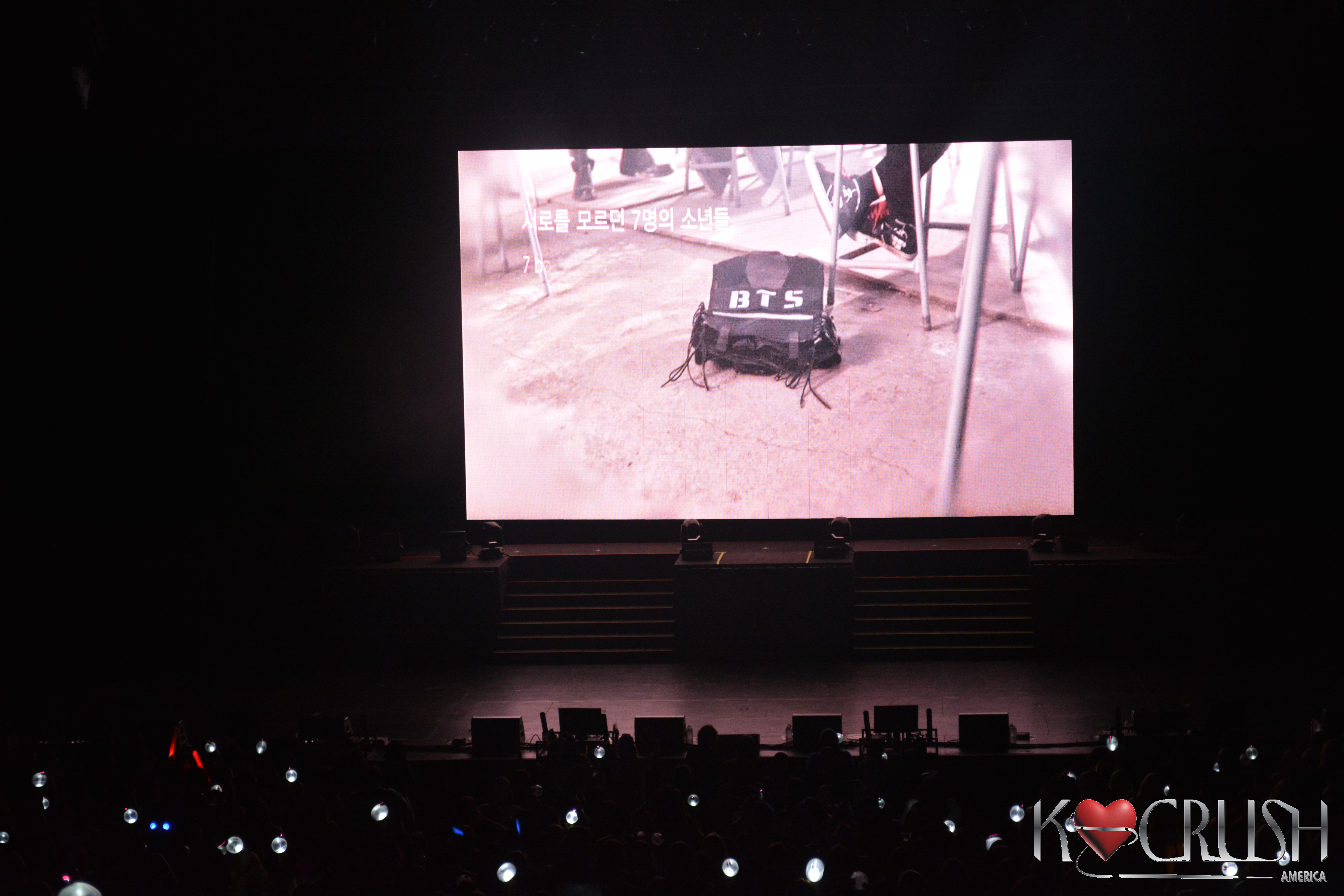
In what was one of the most highly anticipated KPOP concerts to ever take place in Dallas, BTS brought the house down with a 24 song long set and left a sold out crowd in awe.
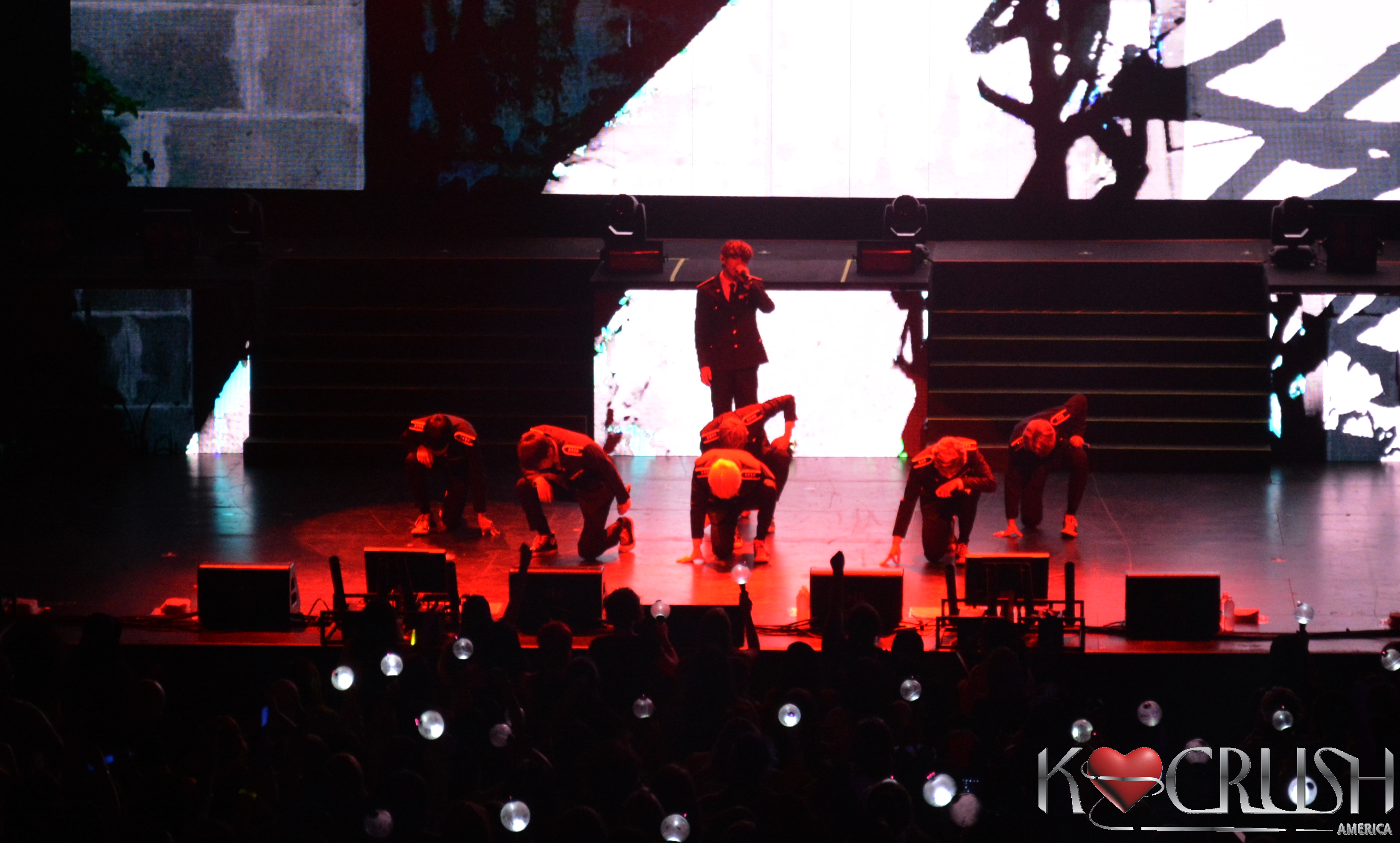

The show started with a VCR showing what looked to be a scene from their Boy in Luv era, featuring an aggressive teacher yelling at the boys. The boys then left from the creepy classroom only to return in bulletproof vests to destroy it.
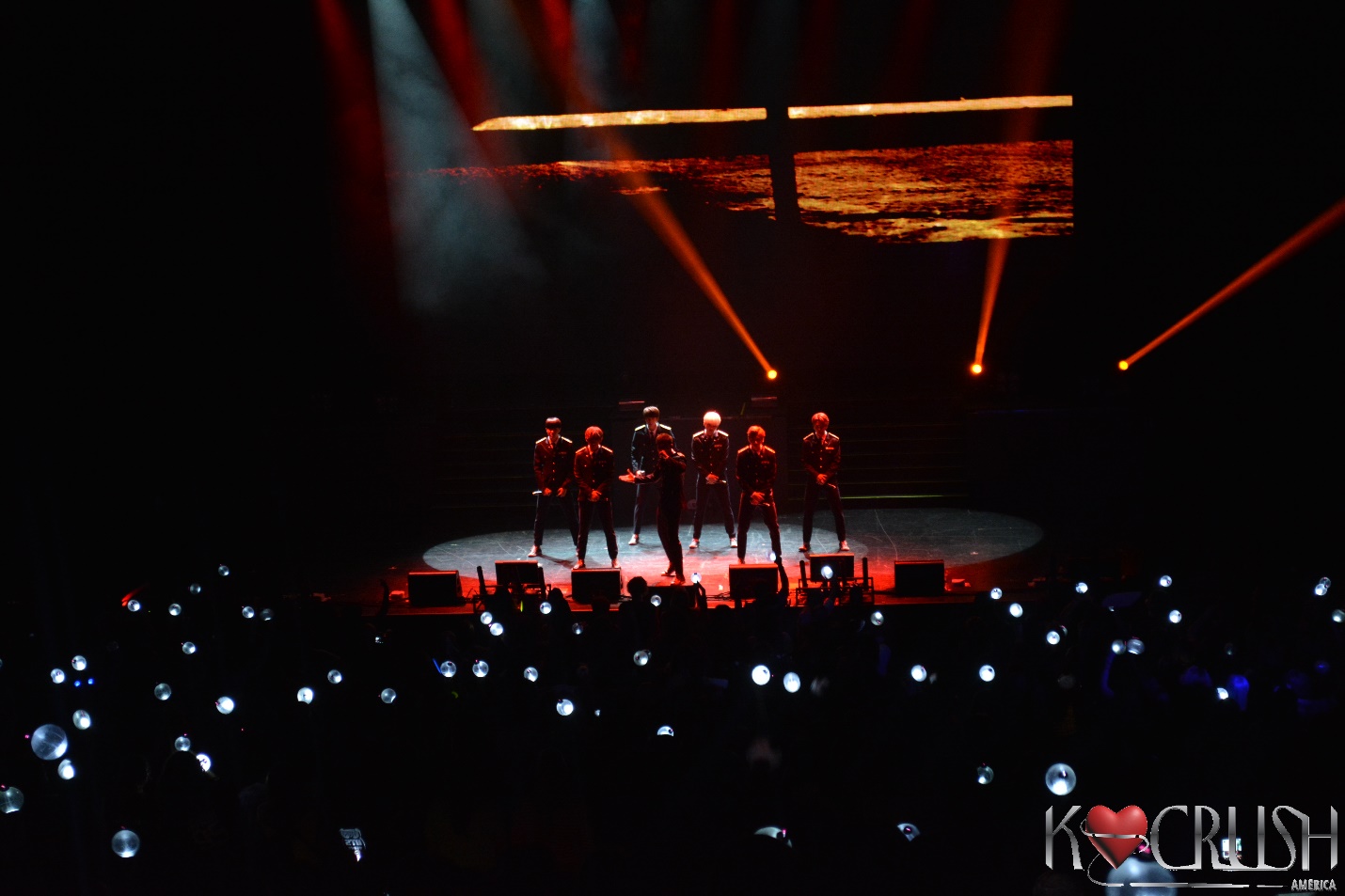
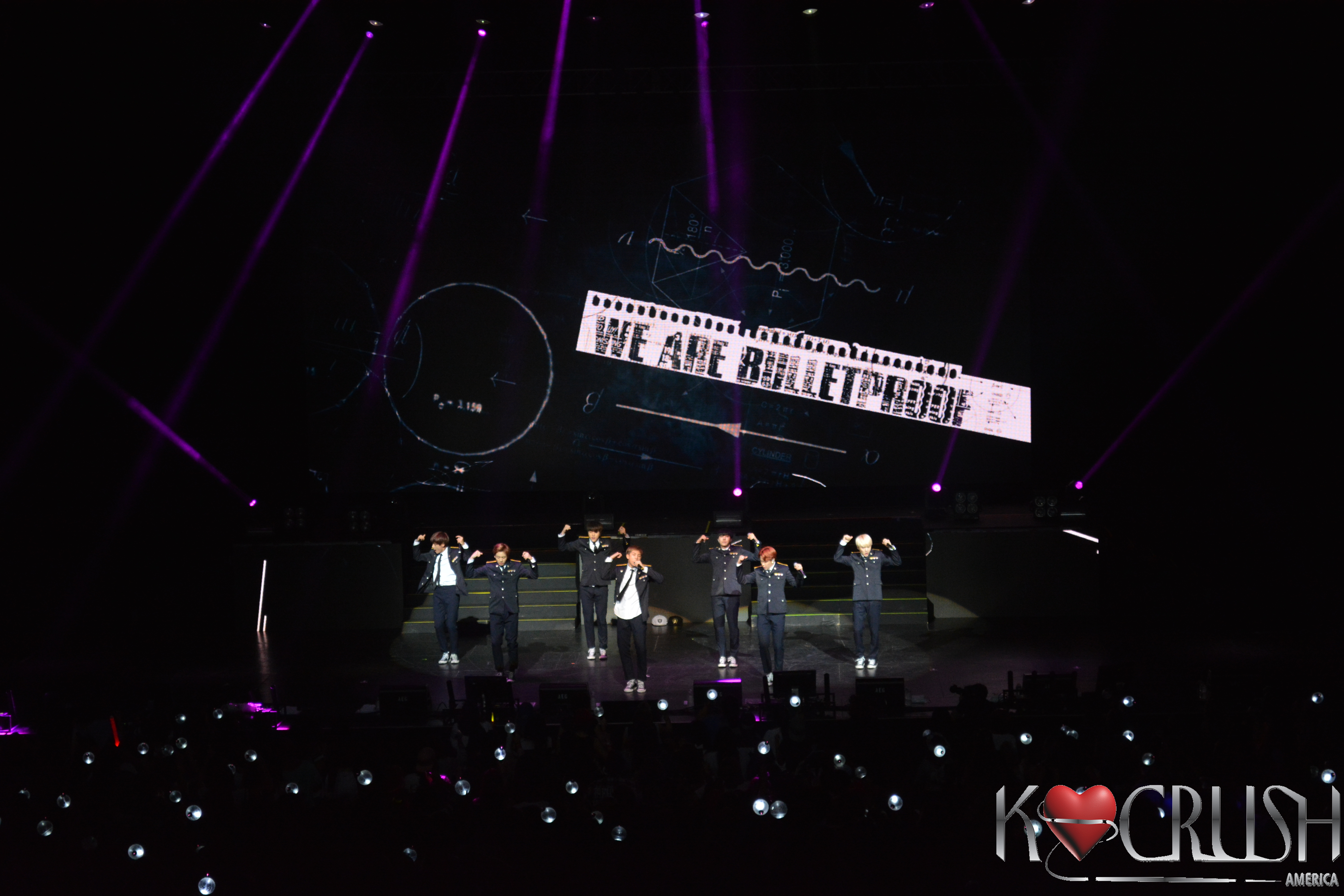
This is when the screams got really loud, and BTS came on to the stage to perform N.O, We Are Bulletproof pt 2. and We On before introducing themselves individually in English to a chorus of screams.


One of the best parts of the night was when BTS slowed it down and performed Let Me Know, showing their more sensitive side. They performed all of their slower songs in a block, attacking all of the feels in the room at once.
Personally, I really enjoyed the rap heavy songs especially Cypher pt 3: Killer, the rap line’s solo song from their Dark & Wild album. Everyone was on their feet jumping and you could feel the floor shaking a little bit.
Music aside, another really impressive part of this concert were the stage graphics and production. The different screens and set pieces really made this show a well-rounded experience.
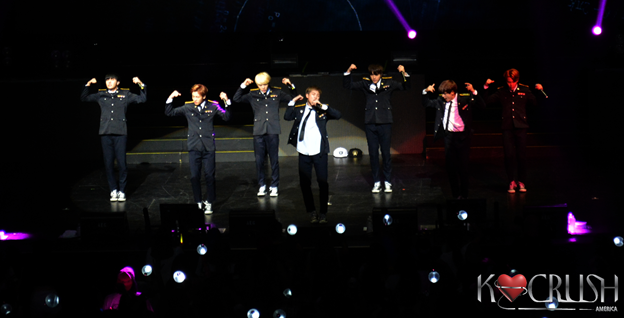
BTS is known for their intense choreography, yet somehow they managed to hit all of the dances accurately and still have extra energy to run around the stage during songs with no choreography. I was very impressed with their live performances especially the vocalists hitting the high notes present in several of their songs.
The entire encore portion was very emotional, starting with a VCR of their audition videos showing exactly how far they have all come. They finished the show performing ??(Dope), ?????(Boyz With Fun) and ??? ??(Rise of Bangtan), ending the show with a bang.
It was nice to see BTS perform a full solo concert. Each of the boys gave it their all and interacted with the audience more than I anticipated. Rap Monster is the most fluent in English but all of the others gave their best attempts to communicate with fans. The charm found in these boys combined with their talents show exactly why BTS are a worldwide idol group.

Thanks to BigHit Entertainment for allowing BTS to come stateside again and SubKulture Entertainment for organizing these events!
—Ke’Anna Bullard
#BTS #2015DallasConcert #Bangtan #TheRiseOfBangtan #BigHitEntertainment #DarkandWildBTSalbum #Cypherpt3Killer #WeAreBulletProof #NO #BoyInLuv #Rap #kpop #kcrushconcertcontent #kcrushamerica #kcrushtopasianamericanentertainmentmagazine #kpop #rnb #BTSontour2015 kpop2015concert #2015BangtanConcert
‘Berry Good’ is a five-member K-pop girl group who announced their debut on May 22th of 2014 by releasing their first single, ‘Love Letter.’ The group is signed under their management company, Asia Bridge Contents.
(For anyone who is curious about the meaning of the group’s name, ‘Berry Good’ simply indicates that the group is formed to fulfill good fruition.)
The five ‘Berry Good’ members go by the names, Taeha, SeoYul, DaYe, SeHyung and GoWoon.
The multi-talented member is ‘Taeha’ who is the leader, main vocalist as well as the lead dancer of Berry Good. This musically talented member set her mind to become a singer at a young age, spent long years of training prior to becoming the band member.
SeoYul is the lead vocalist of Berry Good, whose singing voice is considered very strong. She garnered a lot of interest when the group debuted because her older sister Yuna is a member of the Korean girl group, ‘AOA’ and SeoYul states that she was influenced by her sister in becoming a singer.
DaYe is Berry Good’s vocalist, rapper and well-known for being an animal lover. Plus, according to her own words; she is the naughtiest member of the group.
SeHyung is also the vocalist of Berry Good and known to be the most popular member of the group. Her initial dream was to become an actress, but her goals are now set on being a member of Berry Good.
GoWoon is the youngest member, a. k. a as the ‘Maknae’ of Berry Good.
She is currently co-hosting an English learning program called, ‘Real fun English’ on EBS.
Over the past year since the group debuted, there has been a change of the members. SeoYul, DaYe and GoWoon joined the group as the three previous members decided to leave to go their separate ways.
Berry Good released their second single, ‘Because of you’ with the new three members on February 9th of 2015.
This girl group has so far only released two singles, but this interview will convince the readers that the members are very determined to make it big in the K-pop scene. The Korean music/entertainment industry is currently full of boy and girl bands and there is undeniably a lot of rivalry and competition involved to reach the top. Therefore, producing a massive hit would require more than just lot of hard work and dedication.
The ‘Berry Good’ members all seem to have a definite love for music, not only love but some of the members are extremely talented musically and born entertainers. That is the reason why I believe the hard work the group invested in becoming a better group will soon pay off and be revealed to their fans and to the public.
A big ‘Thank you’ goes out to the Berry Good members for providing a great interview. The Kcrush America team wishes them the very best in everything they do.

*Hello, Berry Good members! Thank you for taking an interview with Kcrush America. Would you introduce yourselves and the roles you have in the group?
Taeha: Hello everyone! My name is Taeha, the main vocal and the leader of Berry Good.
SeoYul: Hello, I’m SeoYul, the vocalist and responsible for being the one with the most ‘Aegyo’ in the group.
DaYe: Hi, I am an 18-year old called, DaYe who is in charge of being the mood maker of the group.
SeHyung: Hello, I’m SeHyung, a member of Berry Good who has a reverse charm.
GoWoon: Hi~I am called GoWoon and I’m known for having a ‘Clear voice’ of Berry Good. Ha ha.
*What do you think has changed the most after your debuting as Berry Good?
Taeha: Everyone around me used to be curious and would frequently ask when we were going to debut. Now that we have, you can search us by typing our group’s name on Naver. Another thing that has changed after the debut and also the happiest thing for me is that we can search and listen to our album on a music site or the social network.
SeoYul: There are some restrictions to what kind of food we are allowed to eat and the lifestyle overall has changed the most, I think.
DaYe: Well…the time I can spend with friends and at my home with my family has reduced considerably than before.
SeHyung: For one thing, I find it still pleasantly surprising that my profile, photos, videos and articles can be found when I search my name on the internet portal sites.
Because this means that we have made a debut finally! I also love the fact and very grateful that I have fans that come to see me.
GoWoon: Most of all, now we have our songs that we can boast to others about our songs and play our tracks to other people!
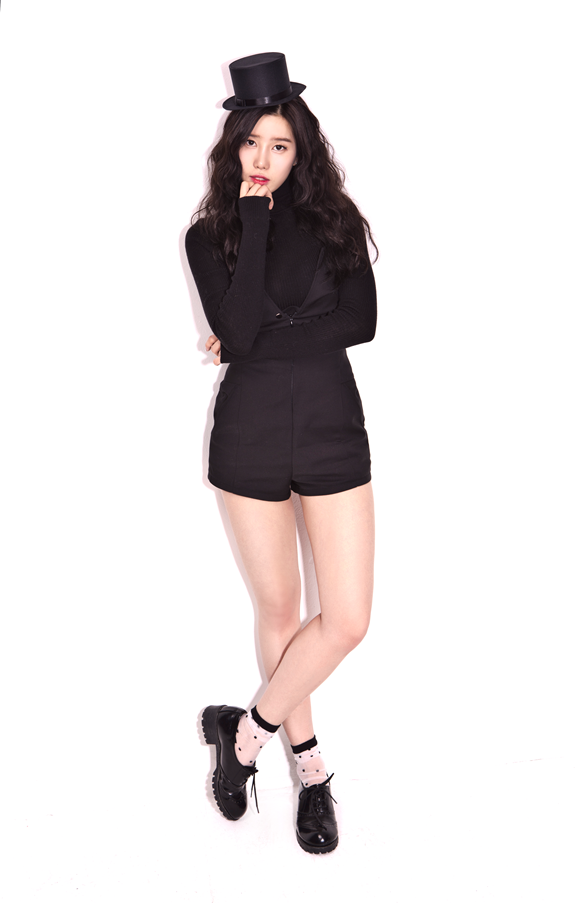
-Taeha
*Have you always wanted to become singers when you were growing up? How did you become members of Berry Good?
Taeha: My dream was always to become a singer. I am told when I was very young, whenever any music was played, I would get up and sing along to the beat even when I was eating were sleeping. The people who saw me back then would say that I will surely become an entertainer one day. So since I was young, I put an effort to learn how to play the piano and I was featured in musicals during the earlier years of elementary school.
In high school, I was the vocal singer in the band that consisted of many well-known session members. As a band, we would perform in massive events or festival in the city and the money that we raised were donated to the underprivileged neighbors.
I wanted to explore more on music and experience the diversity, so I got myself interested in fox trot music and traditional Korean method of singing (which is called, ‘Chang’ –?) and I gradually got to expand my horizon on music. I really wanted to become a singer, but my parents were initially against the idea when I asked to take vocal lesson but eventually they became more supportive than anyone.
I took the audition to get admission to a vocal academy and that was when I met our current CEO and my extended family; I was able to debut in a band after five to six years of hard training.
SeoYul: It was always my constant dream to become a singer since was young. Because I knew how ecstatic it feels to be on stage, so I decided to pursue a singing career. My biggest influence was my older sister.
DaYe: My childhood dream was to become an animal communicator, but when I got into music I naturally wanted to be a singer. I loved to be on stage to sing and dance so I always took part and never missed out when festivals and competitions were held.
SeHyung: I wanted to be an actress at first but as I became more interested in singing and dancing, that’s how I made up my mind to do singing as a career. I feel that I have fulfilled a dream, so I am very content.
GoWoon: When I was younger, I wanted to work as a writer or a CEO for a hotel. However, as I got to experience what it feels like to be on stage after participating in festivals and school exhibition and etc. Then I realized that this is what I wanted to do!

-SeoYul
*Who would you say is your favorite artist that you admire?
Taeha: James Blunt. He is not only a great singer but his ability in delivering the lyrics is incredible and when you watch his performances, he connects with his audience ever so well. I’m very inspired by him.
SeoYul: I like and admire ‘Ailee’ sunbaenim (‘Sunbaenim’ is a respectable term for senior in Korean) the most.
DaYe: Well… this might indicate that I would have to select just one artist and truthfully it is very difficult to state one artist, because there are so many artists that I admire. If I was to mention just three artists, they would have to be Urban Zakapa, Jeong-hee Lim and Bruno Mars.
SeHyung: I admire BoA sunbaenim. I think her ability to sing and dance is great despite the fact that she is very small in figure. Her perfect performances and intricate dance moves are so admirable.
GoWoon: Because I am a vocalist, so of course I like and admire Haeri Lee ‘sunbaenim’ from the duo ‘Davichi’ and their songs. I always tune into watch ‘Immortal songs’ whenever she is on it.
*What kind of songs do you sing the most these days? Is there a song or an album you’d like to recommend?
Taeha: First of all, I’d like to recommend the two songs, ‘Love letter’ and ‘Because of you’ by us – Berry Good. Since we are still newcomers and not very well-known to the public, I assume not many of you would have not heard our songs.
Our songs are quite lyrical compared to other songs that are out currently and the melody of the songs is beautiful and attractive enough to give you a sense of comfort and happiness to the listeners. Please, listen to our songs and hope you love them!
SeoYul: Nowadays, I frequently sing ‘Sad love song’ by Davichi.
I would like to recommend the song, ‘Love letter’ from Berry Good’s first album. There are few different versions of the song, so I really want to recommend it.
DaYe: I like to sing R&B and ballads, the song I am presently practicing to sing it Nayoung Kim sunbaenim’s ‘Sometimes you’ (The original title in Korean is ‘?? ??’) and there is an exciting and rhythmical song I really like to recommend, ‘A night to remember’ by Mary J. Blige! Wish the readers will listen to it if you don’t know it already. It’s a song that gets you in a very good mood.
SeHyung: I generally like listening to songs by male singers. The song I enjoy listening to a lot is called ‘8 am’ by ‘My Q’ sunbaenim. You can also hear the actress Hyoju Han’s voice in the song. Hope the readers will check out this song.
GoWoon: I am frequently listening to ‘Eat’ by Zion T which has a very predictable tune. I listen to it often because the lyrics are very natural and it seems like the song understands my feelings. 🙂
*How many hours do you train a day? How do you deal with the stress and what do you do to maintain your state of health?
Taeha: We are training for at least nine to ten hours per day. I release stress by chatting and laughing with the other members and the best solution to reduce stress for me is to get a good night’s sleep. My father helps me out a lot when it comes to my health.
When I don’t have a set schedule, I go to bed before 1 am and get up at 8 am to work out, drink water and have fruit and vegetable for breakfast.
SeoYul: Basically, we cover eight to ten hours of training daily. Hanging out with the members gets rid of stress for me. We have a beach ball in the dance practice room and we play with it and to exercise to maintain health and relieve stress.
DaYe: We train for about seven to ten hours. We each have our own method of dealing with stress. At times, we consume huge amounts food; cry our eyes out by watching a really sad movie or sing upbeat songs at the ‘Noraebang’ in order to release stress.
I am managing to keep in good health daily by working hard and sweating while practicing our choreography diligently after taking a healthy meal.
SeHyung: We normally arrive at work at one in the afternoon; take training until ten in the evening. But if there is more work to be done, then we train until twelve or one in the morning.
Regarding the stress, that can be solved when I chat with the members and when we go to the convenient store share tasty food together. For my health, I take vitamins and traditional Korean medicine my parents provide for me.
GoWoon: We usually train for approximately ten hours each day. When we get fatigued, the members dance to an exciting tune and we just dance in any way we like, watch a movie together and because we all love to eat so we release stress by eating well. ^^

-DaYe
*Is there a word or an expression that describes your character or image adequately?
Taeha: A tree. A tree grows when the sun shines on it and when it is watered.
In a sense, I want to become like a tree that reduces carbon dioxide and produces oxygen by growing and improving by receiving interest and love from the fans.
SeoYul: I think the word ‘Tomato’ goes well to describe myself. Tomatoes can be widely used, for ketchup as well as juice; likewise I think I also have a unlimited and diverse attractiveness.
DaYe: I’m just like a Beagle! My personality is so very active and I tend to be act as the naughtiest member of this group. Sometimes, I get so loud that the other members have to put up with the pain. I love messing around and love to freak people out by jumping out suddenly after hiding somewhere. The other members would probably all agree that I’m like a Beagle.
SeHyung: If I was to pick an animal that describes myself; then I think it would be a chipmunk. The group members and as well as my friends say that I look like Chip and Dale; the twin chipmunks from the Disney animation.
I think I resemble them as well, I guess it’s because of my chubby cheeks and big eyes. Ha ha.
GoWoon: ‘Laughter’ or ‘Happiness?’ J
*Do you all have a color you like the most?
Taeha: White and black.
SeoYul: I personally like any colors that are bright.
DaYe: Black, white, pink, blue and etc. I don’t have a set color I like but I like seeing two colors that contradict to each other. I like cool, bright colors.
SeHyung: I don’t have a particular color that I like in particular. But if I had to state one color then it would have to be red! I like all colors as long it’s not in fluorescent light.
I don’t usually wear such girly girl colored outfits so I tend to wear white, navy, grey and black in general. Dark colors mostly.
GoWoon: I like white the best; so very much that all my clothes are in white.
*Could you recommend a film, TV drama or book?
Taeha: I like to read books and love to watch movies immensely. If there is a movie to recommend, it would have to be, ‘Soul surfer’ which is something our CEO recently recommended and this reminded me learning and how precious it is.
SeoYul: I like to make time to watch the films and TV dramas that I like. I would also like to recommend people to watch the ‘Soul Surfer’ movie.
DaYe: I tend to watch movies often and I was very inspired by the movie called, ‘Like Stars on Earth’ and I’d really like to recommend the movie. I learned so many morals and was very inspired by it. For me personally, this movie is such a beautiful, pure and precious movie.
SeHyung: The genre of movies that I like is romantic comedy, this one is not a comedy but the first movie that comes into mind is ‘The Notebook’ and this is probably my favorite movie. I think I watched about three times.
GoWoon: I am a fan of the ‘The Devil Wears Prada’ movie. The atmosphere and the storyline is something that I really enjoyed watching.
*What do you like to do for in your free time?
Taeha: I like doing sports so I enjoy riding the bicycle, playing badminton and I like to do any other sports that I can do physically. Also, watching movies and bowling is what I do for leisure as well.
SeoYul: I play the piano for a past time and I also like catching up on the TV dramas I haven’t yet watched.
DaYe: I am interested in communicating with animals so I visit the pet store located near our company and try conversing with the dogs and cats they have there.
At home, I have a hobby of drawing miscellaneous pictures.
SeHyung: I like to lie on the bed, all by myself in the bed room and listen to the music that I like. I monitor my own videos, as well as video of other artists. I watch a lot of movies and TV dramas. I think what I like the best is doing various activities all day in my room.
GoWoon: I usually enjoy singing or writing my own lyrics.

_SeHyung
*Could you tell us about what you’d like to do the most this year and what your goals are for the future?
Taeha: The goal is to gain ten thousand people for our fan club. The thing I would like to do the most is get on a vacation for about two weeks just to eat and enjoy myself abroad.
SeoYul: This year, I really want to go to the swimming pool with our group members and record our own reality show.
DaYe: The goal for me this year is to have a perfect diet! I have a special love and craving for food so I have always failed in my previous attempts to lose weight, but this year I will succeed. Another thing I would love to do is to go on vacation with the Berry Good members and get out and enjoy myself freely. Because it’s currently summer, it would be great to visit the outdoor swimming pool or the beach.
SeHyung: For this year’s goal, I’d like to get Berry Good more known to the public.
I hope that our skills and everything about us would become more mature and also I have plans to make lasting memories with the group members.
GoWoon: I hope is this is the year that we get the name ‘Berry Good’ out there.
In the long run, we wish to contribute to writing and producing our own songs.
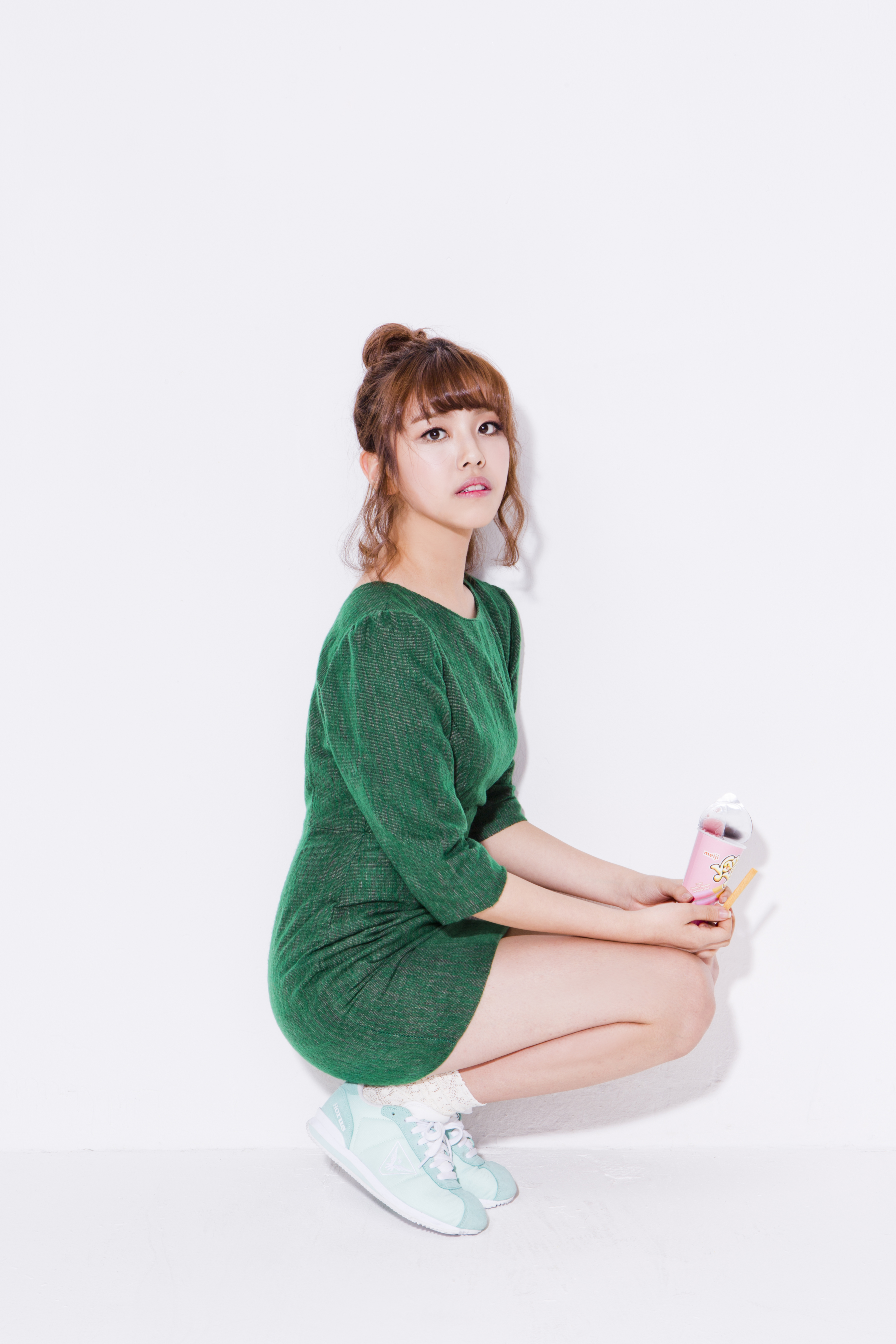
-GoWoon
*Thank you for the great interview and we wish the very best to the ‘Berry Good’ members. Can you something nice to your fans from abroad as we end this interview?
Taeha: Hello, everyone. This is Taeha from Berry Good. If anyone is out there reading our interview and acknowledging us then thank you so much. We are still new to the scene but we will do our utmost to be an inspiration. We’ll do our best in all the activities we cover in Korea, so we can later do the same abroad. We ask of you to show Berry Good much interest, love and support. We love you! ^^
SeoYul: We will be coming back much more enhanced and improved, so we ask you to keep an eye on us. Please show our group some love and support.
And for me, SeoYul as well…I love you all. ?
DaYe: For our fans abroad, we may be far apart in terms of distance but you do know our hearts are very close, right? We’re learning foreign languages to because we wanted to be able to communicate with you better. We still have a long way to go but we will put in our best effort. There are some of our fans who are learning Korean to communicate with us, so thank you so much for that; I have so much respect for you all – I have the same interest as all of you in my heart.
Another thing, staying fit and healthy is so important! Please take care to stay healthy, don’t skip meals, hope you all sleep well and wish all of you would always stay happy! We’re going to try our best to evolve and enhance as a group so we ask for your interest and love. Again, we thank and love you all!
SeHyung: Hello, Very Berries! Please anticipate our comeback soon and show us support and love please! We will be showing many sides to our charm.
GoWoon: Thank you very much for reading this interview until the end. We will be visiting abroad very soon so please wait for us!! Berry Good are gonna to work hard to become better and more lovable ~~chu <3
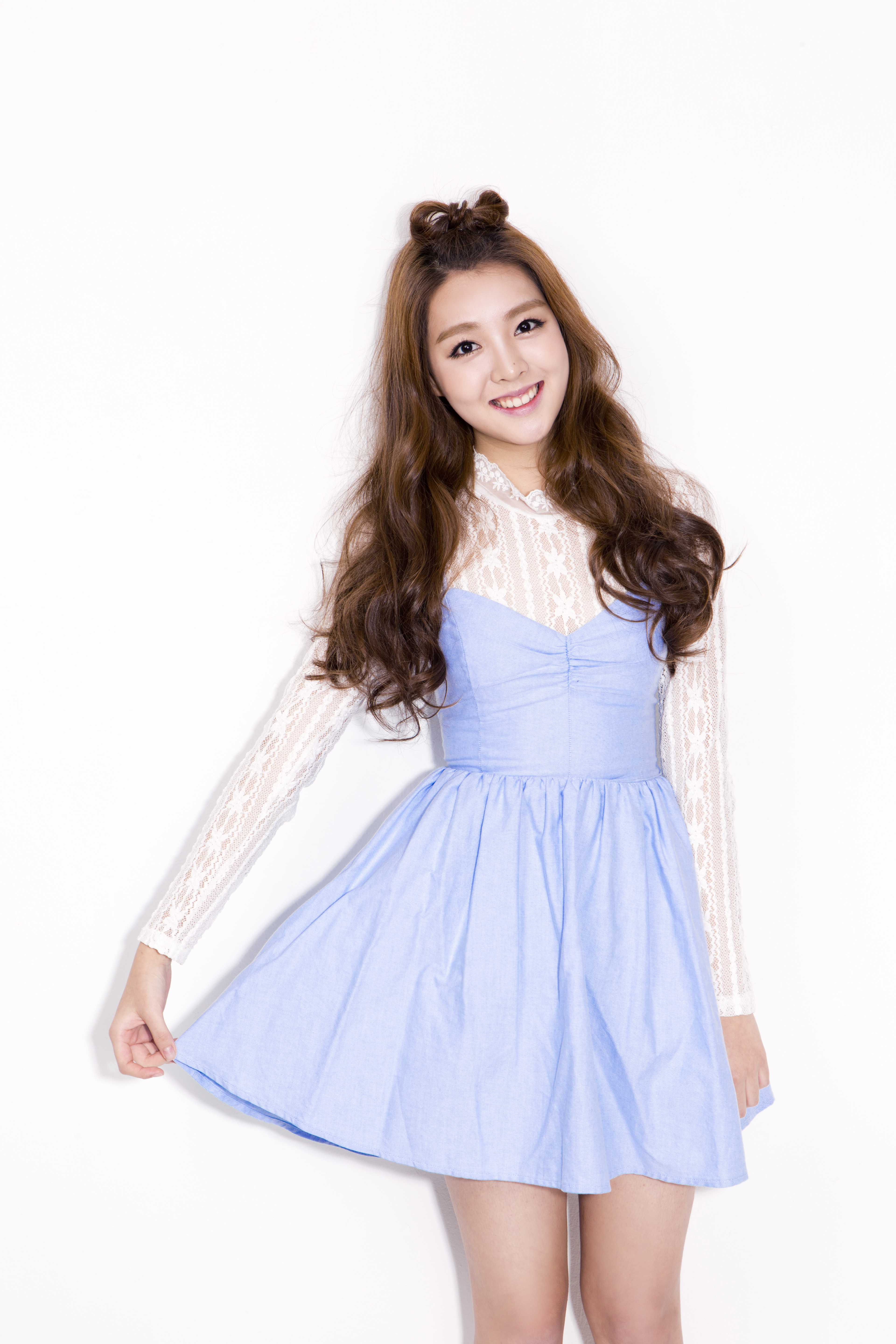
– Sehung
—- J. Chung
2PM made their return June 5 with No. 5, an album that focuses on their more mature sound. 2PM’s vocals did improve as there are stronger harmonies. While 2PM sound more mature, No. 5 isn’t among their stronger albums. The 12-track album is ballad and mid-tempo track-heavy which may delight fans of, say, 2AM, but the typical upbeat, fun tracks we usually get from 2PM are just a blip on the radar here. Sadly, subject matter comes across as repetitive and contrite despite vocal improvements, especially since it feels like they’re trying too hard to come across as manly and grown-up with many songs focusing on cheating and sex.
Opening the album is “My House,” a song about a potential one-night stand. “My House” is a solid track and a choice for promotions (even though promotions were extremely short) since it highlights Teacyeon’s rapping and the rest of the members’ improved singing abilities. There’s a good amount of high and low notes that make the song enjoyable. The lyrics are not among 2PM’s best as they are simplistic and repetitive, but the way they’re sung helps the track immensely. Around the 2-minute mark with the echoing lines sounds cool and enjoyable.
“Nobody Else” is a sensual song about being attracted to a woman, but it’s shallow and more lust-filled than romance-filled. The rap is the highlight in “Nobody Else” since it somehow makes the song feel more sensual. For this song, overall vocals weren’t as sharp as they could have been. There are moments when some of the vocals fade out awkwardly, and this could be due to audio quality or just a weak performance. With this, the chorus can be somewhat grating. However, the song has unique instrumentals that help it stand out a little.
Next up is “Hallucination,” a poetic breakup song that sports some of 2PM’s best lyrics. While it sounds like a possible Backstreet Boys throwback song, it’s not necessarily a bad thing. The R&B beat sounds nice with some of the upbeat tones, making the song interesting. The vocals work well as they are softer than vocals for other songs.
“You’re Not the Only One” is easily one of the best songs on No. 5. While the lyrics suggest both parties in the relationship are cheaters, the song is easy to get wrapped up in due to its execution. This one highlights 2PM’s growth best due to the well thought-out melodies and amazing high notes.
Track five is “Hotter Than July” and is about lust and sexual relations. The song has a sleazy lounge feel, which indicates further what the song is about. Taecyeon’s low rap breathes life into the song, but he’s the only one that barely saves it. “Hotter Than July” is a forgettable track that is lifeless, so there’s a reason why it’s buried in the middle of the album.
“About to Go Insane” brings the synth and sound of some 2PM hits of yore. The song is necessary since it assures the audience they didn’t die in a sea of ballads. The 80s-sound and tease-filled lyrics play well into the album’s theming.
“RED” comes in as the seventh track and brings a return to the balladesque, R&B sound. “RED” has a generic feel to it as it’s more of a standard R&B track and falls under the category of “standard K-Pop album track.” The lyrics are romantic and sexy, and Taecyeon is just awesome. However, the song isn’t anything special since it sounds similar to many other K-Pop songs by different groups. It proves 2PM can be sexy, but it doesn’t prove they can stand out.
“Wanna Love You Again” is another baby-making track. The falsetto works for the track, but that’s about it. “Wanna Love You Again” is a snooze-fest that has a Boyz II Men feel. Songs like these are designed to make fans feel like the band could be potential love interests. While it’s an effective tactic, it doesn’t make for interesting music if the song is paired with a monotonous, sleepy beat. “Wanna Love You Again” needed a different beat to remain interesting because the singing is good. The harps are an interesting inclusion to help make the track a little less mundane, but the tempo needs to change.
Track nine is “Know Your Mind,” a song about falling in love. The song has a more upbeat vibe, which is plus. It is another R&B track, but it doesn’t feel as standard as other tracks on the album. The main issue with “Know Your Mind” is that the sound quality isn’t the best. The chorus fades from quiet to slightly loud, and instrumentals drown 2PM out. Sometimes it felt like they were singing in a distant tunnel and trying to project their voices. Some of the vocal distortions assisted with making the song feel this way too. It’s hard to tell if this was intentional or just poor production quality… unless 2PM were in the girl’s mind literally getting to know her mind and we’re just hearing the echoing of their voices inside the girl’s cranium.
“Magic” and “Jump” contain the sound many love from 2PM. The dance tracks save the album from being completely lifeless as they’re playful, flirty, and fresh. With “Magic,” there’s a good amount of swing in the beat; whereas “Jump” is synth and EDM heavy. “Jump” definitely feels like a night of clubbing, so it’s refreshing for that reason because it feels like a remix track. “Magic” and “Jump” definitely recapture the fun element that is 2PM.
Finally, “Good Man” brings back the seductive vibe from “Wanna Love You Again” and “RED.” The track has hints of Motown, making the song feel old-but-new again. There is a lot of saxophone involved in it, so it feels like 2PM hired Kenny G. to join them to try to add romance. The sax addition makes the song different, so that’s okay. However, it’s just another slow song, so the album closes with a fizzle than a bang.
Maturity is definitely the theme for No. 5. Apparently for 2PM, mature means slowing down the content and sexing it up. The album needed a better balance between “mature” and the usual 2PM sound we hear in title tracks to help with the transition. No.5 wasn’t their best album, but it’s enough to keep fans happy. No. 5 earns a 2/5.
—-Joelle Halon
If you are in Korea from June to August and know which festivals or events to attend, the summer season can provide immense fun and entertainment you can share with your family members and friends. Some of these summer activities include the West Coast’s Boryeong Mud Festival, the Busan Sea Festival and the Bucheon International Fantastic Film Festival, the Incheon Pentaport Rock Festival performed by international rock musicians, the Gangjin Celadon Festival which showcases ancient ceramics and there are more events on the list. There is a long list of festivals you can enjoy.
Buyeo Seodong Lotus Festival July 10th (Thu) – July 19th (Sun), 2015

The Buyeo Seodong Lotus Festival is held at the first man-made pond in Korea called, Gungnamji, which is located near the palace built by the King Muwang of the Baekje Kingdom.
There are several activities like lotus face-painting, making lotus soap and lotus tea, you can also take part in an art contest.
Bucheon International Fantastic Film Festival July 16th (Thu) – July 26th (Sun), 2015

The film festival is held in various locations; at the Bucheon City Hall, the Korea Manhwa Content Agency, CGV Bucheon, Bucheon Gym, Bucheon Grass Square, Sosa and Ojeonggu outdoor theaters.
The films that are shown during the 11 days of the entire festival and the audiences can also get involved in having discussions with film directors. This unique film festival screens films from all over the world of variety of genres, including horror, mystery and many more.
Boryeong Mud Festival July 17th (Sat) – July 26th (Sun) 2015

Boryeong Mud Festival is known for its high quality of its facilities and overall for providing great service for its visitors. This festival is located right in front of the beach and the event is popular because it offers different themes like the mud massage pack, mud body painting and soap-making.
You can also head over to the mud massage zone to get some rest or receive massage treatment.
Pohang International Fireworks Festival July 30th (Thu) – August 2nd (Sun) 2015

At the Pohang International Fireworks Festival, you can take a view of the beautiful night skyline as it is lit up by many fireworks set off by different representatives from various nations.
The coastal city of Pohang is famous for its spectacular view of the sunrise. The festival includes the parade, live concerts at the beach, light art contests and etc.
Hamyang Wild Ginseng Festival July 30th (Thu) – August 3rd (Mon) 2015
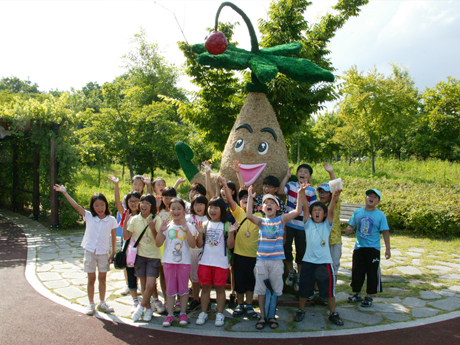
Hamyang is a city where the Korea’s well-known mountains, Jirisan and Deogyusan are located. The city is also famous for producing high quality ginseng and wild herbs.
The Hamyang Wild Ginseng Festival is held in order to promote the natural products that grow locally.
During the festival, the visitors can directly participate in programs like harvesting, pottery making, take part in baking ginseng rice cakes and other local activities in Hamyang.
Jeongnamjin Jangheung Water Festival August 7th (Fri) – August 9th (Sun) 2015

Jangheung is a small county in the region of Jeollanam-do, located near the sea of Boseongman Bay, and nearby lies the big lake created by Jangheung Dam and Tamjingang River.
The Janheung Jeongnamjin Water Festival is held every year during the summer. The Jeongnamjin Water Festival aims to offer water-themed events where its visitors can enjoy themselves and get actively involved in summer games and activities. Additional events from the festival include, Atopy healing health camp, Woodland woodcraft experience, Woodcraft exhibition and etc.
Incheon Pentaport Rock Festival August 7th (Fri) – August 9th (Sun) 2015
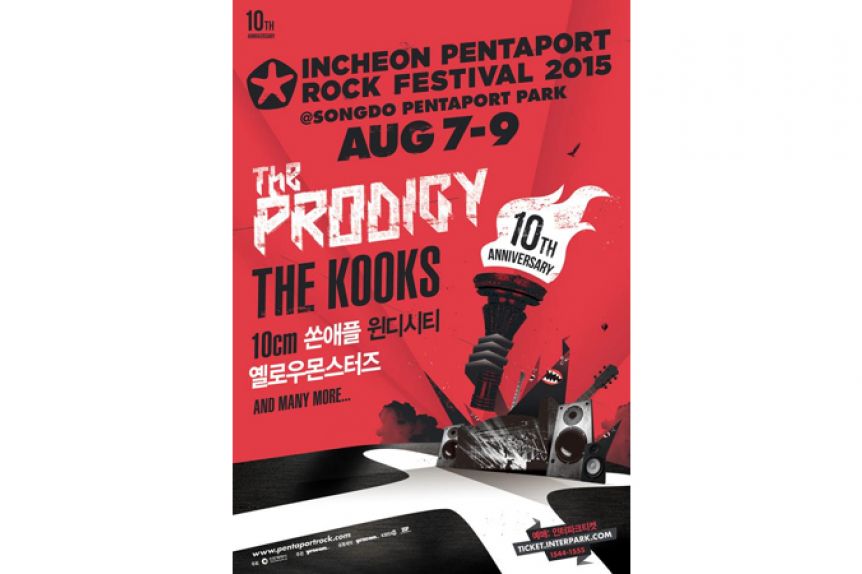
More than sixty bands will be playing at this rock festival this year, including famous international groups, including Seotaiji, the Prodigy, YB and several international groups will be playing at this major outdoor rock festival.Hot summer nights and rocking beats make a perfect atmosphere for a great rock festival.
The festival is held in Incheon City; meaning there are a variety of cultural activity programs and city tours readily available.
The 20th Busan Sea Festival August 1st (Sat) – August 8th (Thu) 2015

The Busan Sea Festival is a massive event that consists of many types of events and festivals.
The rock music festival, a beach dance festival and a several water sports.
The most favorite option for many would be just to lie on the sandy beach or taking a swim in Busan’s Haeundae Beach, Gwangalli Beach, Songdo Beach, Dadaepo Beach, Songjeong Beach and etc.
Jecheon International Music and Film Festival August 13th (Thu) – August 18th (Tue) 2015

Launched in 2005, the Jecheon International Music and Film Festival celebrates films set in the beautiful landscapes of Jecheon plus music that can be enjoyed by people of all ages.
Music, cinema and musical performances will be staged outdoors on the shores of Cheongpung Lake.
The closing movie that is shown is a film produced by the winner of the World Music Film category. Several recently released films and musicians will be performing on stage.
—-J.Chung
On Thursday July 16, 2015, BTS held their first US concert for their 2015 Red Bullet tour at Best Buy Theater in New York City. According to fan accounts on Twitter, the show was going well and provided plenty of fun and excitement. At one point, BTS walked off the stage.
Many fans felt this was a part of the show until organizers took the stage to tell fans the show was over and the Hi-Touch would be canceled due to a safety concern.
THIS IS WHAT HAPPENS WHEN PPL THINK ITS FUNNY TO THREATEN NAMJOON, HI TOUCH CANCELLED #TRBinNYC pic.twitter.com/jL2rvCOJfY
— Natasha ?TRB TODAY? (@TaeWithMe) July 17, 2015
When the announcement was made, it was unclear what the concern was about other than it was serious due to the cancellation; police were also called to the venue. At first, fans felt the cancellation was due to people taking videos and photos. As news spread on social media, fans discovered the cancellation was due to someone making a threat against Rap Monster on Twitter. The account holder posted a photo of a gun and the caption “Just brought my gun it’s about to go down RIP namjoon #TRBinNYC” (sic).
When reports of the threat started to emerge, some felt it may have been due to recent comments Rap Monster made in Australia regarding how he couldn’t see two fellow members because of their “blackness.” So far, the connection is unconfirmed and this threat is the result of a sick, unfunny joke.
As fans dug further into the threats, they discovered the person who made the threat—this person will not be named as he or she does not deserve such notoriety—was not in attendance at the show and may not even be located in the United States. When other fans pressed the alleged threat-maker, the person admitted to living in Canada, then tried to claim his/her Twitter account was hacked before disappearing.
It is unclear at the time of this writing if police questioned or plan to question the individual.
Even though the Hi-Touch event and part of the show were canceled, BTS did take to Twitter to express their gratitude for fans and thanked them for attending the show. The boys’ spirit and seemingly good nature lifted fans moods.
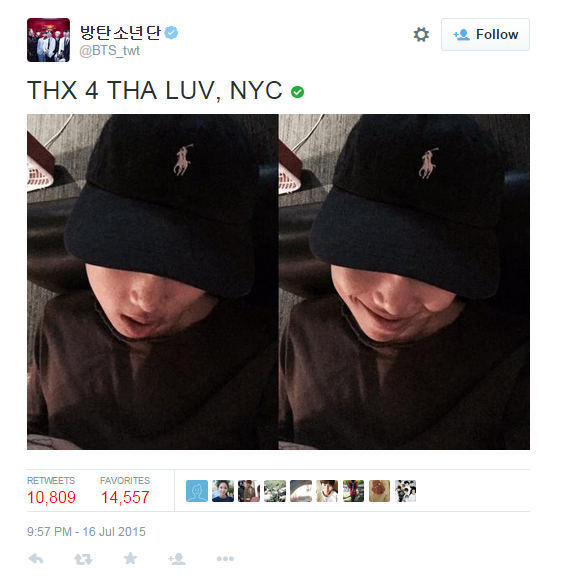 For several hours following the threat, #TRBinNYC trended on Twitter. Fans shared their accounts of the show and expressed frustration over how one person ruined the fun of what many considered a great show.
BTS fanclubs and individual ARMY members mobilized to trend tweets of apologies to the boys to reassure them that not all fans are bad fans and that they are grateful for their visit to New York and the US. In Dallas, Chicago, and LA, fans have appreciation events and activities planned as an apology for BTS for the sad end to the New York City show.
SubKulture and Big Hit are supposedly discussing whether to cancel Hi-Touch events in the remaining stops of the US tour. At the time of this writing, Hi-Touch events are still expected to go on despite misinformation floating around social media suggesting the events have been canceled. At this time, it is wise to await word from Big Hit or SubKulture.
Sadly, this isn’t the first threat to hit a K-Pop concert this year. In June, a fan threatened to set off a bomb at a BIGBANG concert following a music show voting controversy between the long-time group and EXO.
Threatening harm or to kill anyone is not a joke. In some locations, threatening a location with a bomb is considered a terrorist threat and can land someone in serious trouble not only with the police, but with the feds as well. Anyone who thinks this is humorous needs to mature quickly.
In this instance with BTS, one person ruined an event for everyone in attendance while a possibility that it could be ruined for other cities looms as well. It may be possible that other companies and artists may see this occurrence and feel the US isn’t a safe place to perform, therefore potentially ending the K-Pop experience here.
None of us wants that, do we?
—-Joelle Halon
For foreigners, 2009 was one of the better K-Pop years. With debuts by After School, 2NE1, 4Minute, T-ara, f(x), BEAST, Secret, MBLAQ, and Rainbow, it was a year to remember for these fandoms. Unfortunately, there were groups that didn’t survive the debut wave even though they had potential.
Lee Yeon Entertainment debuted Heart and Mind (HAM) September 23, 2009 with the song “T.T. Dance.” The then four-member group was made up of leader Miyu, Gayeon, Hyoni, and Sujin. Prior to “T.T Dance’s” release, the girls were introduced and their training documented on the Mnet show Hello, We Are New Group HAM.
HAM’s “T.T. Dance,” which is powerful and catchy, served as a nice introduction to the group; listening to it now perfectly captured the sound of the year with strong, impressive vocals and dance-heavy beats. HAM promoted “T.T. Dance” for two months with moderate success, but not enough to propel them into the spotlight. Shortly after “T.T. Dance,” the group promoted “Dugeun Dugeun,” which was cutesy song, but didn’t capture the power of their first song.
Part of HAM’s issue was when they debuted: Groups like T-ara, 2ne1, and 4Minute caught more attention domestically and internationally due to stronger promotions and debut songs. Furthermore, HAM came from a smaller company. Another issue lied in how 2009 was saturated in female group debuts. Naturally, some groups would get lost.
HAM did have a Korean single for the World Cup in 2010 called “We Are One,” and they also had an opportunity to do a promotional song titled “Alpensia” for a Korean ski resort, so some did recognize their talent.
Another issue that hampered HAM was how their company opted to promote in Japan. For larger groups with established fanbases, promoting in Japan isn’t a problem. But when a group hasn’t had enough time to gain ground in one market, then it’s a bad idea.
While in Japan, HAM had a TV show, a single, and a few concerts, but they didn’t earn enough status.Throw in a long hiatus in Korea and not enough promotions, and a recipe for disaster ensues.
HAM returned to the Korean market in October 2010 sans leader Miyu, who left the group. The now-trio released “So Sexy,” which was a strong single but lacked the vocal depth of “T.T. Dance,” “Dugeun Dugeun,” and “We Are One.” Besides the awkward high notes affecting the song, broadcasting stations took issue with the song’s dance and content, limiting “So Sexy’s” airplay. With little promotion and an already diminished fanbase, HAM’s days in Korea were numbered.
Lee Yeon Entertainment sent HAM back to Japan for more promotions prior to trying to break into the Chinese market. Both attempts did not yield success.
In February 2011, HAM made one more attempt at the Korean market with “Lower Your Sight.” The song earned praise and moderate success, but it was the last time they were heard from again. While there wasn’t an official announcement, HAM disbanded in 2012. Sujin later redebuted as a member of BBde Girl; they haven’t been active since 2013 and are rumored to have also disbanded.
HAM may have been successful if it wasn’t for poor promotions and missteps by their company. Then again, there were many strong groups that debuted in 2009 that are still around today. HAM had the vocals, but sometimes that isn’t enough to stand out. It was nice knowing you, HAM. We’re sad to see you disappear into K-Pop history.
—-Joelle Halon
For this week’s Flashback Friday, we revisit 2007 to explore KARA’s debut song “Break It” from their first album The First Blooming. When they debuted, KARA was a quartet made up of Park Gyuri, Jung Nicole, Kim Sunghee, and Han Seung-Yeon.
“Break It” is an R&B track that features KARA’s strong vocals and power. The song oozes female empowerment as KARA sing about a breakup and kicking the ex-boyfriend aside. There is no sense of regret or sadness; strength and standing tall are the themes. There are hints of bitterness since the lyrics indicate the ex has done some terrible things to be on the receiving end of such anger.
The lyrics don’t contain any flowery language, so there’s not a lot of complexity in “Break It.” Reading the lyrics,the song comes across as repetitive. In this case, however, the repetition is more helpful than hurtful since it mimics how angry people repeat their arguments while trying to get a point across.
Essentially, “Break It” is just a dance MV designed to showcase KARA’s abilities and introduce the group to the public. The dancing is good and matches the beat well, establishing KARA as a strong up-and-coming talent when they debuted.
There are moments in the MV that are worth paying attention to in terms of matching lyrics, though. For example, we see the love interest locked behind bars with KARA. This indicates that the girlfriend caught her boyfriend cheating with multiple women and that he locked himself in a prison of lies trying to keep his cheating ways under wraps. KARA then confront him about his lies while kicking him to the curb.
The debut song was accepted well by critics, but the general public didn’t like it. “Break It” caused many to look at KARA as a Fin.K.L copycat (both groups are under DSP Entertainment). They were compared to Fin.K.L based on appearance and style to which KARA deemed as an honor.
“Break It” recalls first generation K-Pop sounds, so it’s easy to see the Fin.K.L comparisons. First generation K-Pop through until the late 2000s had its own unique sound that makes it easy to recognize today. KARA emulated the sound well and made it their own, layering the sound with rich vocals. There are times where the song sounds like Britney Spears’ “Oops, I Did It Again” crept in, so there are some issues with originality. However, it is a good reminder of a decade gone by and some of K-Pop’s memorable strengths.
Looking at “Break It,” it’s amazing to see how much KARA has changed over the years, not just in member additions and subtractions, but musically as well. Today, they’re brighter with more cheerful songs and lighter concepts; it’s also evident how the Japanese market influenced their music. KARA’s sound is still unique to them, but at the same time, there’s something missing. It would be nice to hear some of KARA’s older sound again to help them surge into a top group once more.
—-Joelle Halon
Girls’ Generation signaled their return with the first of three singles July 7, 2015. Within six days, “Party” already amassed close to 12 million views. Behold the power of SNSD and SONEs!
It actually took a few listens to actually like “Party.” The issue with it is that, while it is a happy song, it’s generic lyrically and doesn’t exactly show Girls’ Generation’s best abilities. Sadly, “Party” is also a lazy song that takes advantage of SONEs since Girls’ Generation will have their full support no matter what. Sure, summer songs usually involve some mindless drivel such as partying, drinking, and just having fun, but artists and companies shouldn’t take advantage of fandoms by releasing subpar songs when everyone knows the artists are capable of more.
By this time, Girls’ Generation should have experienced more growth and shifted into a more mature group. With two more singles set to be released in July, this can still be the case. Fans have had an opportunity to see growth via some of SNSD’s ballads, but SM chooses to stick with cute, poppish songs that show their charms and cuteness more. SNSD needs a chance to grow (and maybe even a chance to compose their own music, which SM allegedly denies). Until then, we get greeted constantly by songs like “Party.”
This isn’t to say “Party” isn’t a bad song because it’s not. It could be a better song, but it’s not bad. The SNSD girls are cute and charming, and the song is a nice summer tune full of joy and upbeat fun. While the instrumentals sound like a mix of Katy Perry’s “California Gurls” with hints of Ke$ha’s “Tik Tok,” the song is one to listen to when having a down day because of its bubbly nature. “Party” is a feel-good song in the purest form.
Tiffany and Taeyeon sound especially pleasant in the song, and it’s always nice to hear them shine. Their vocals always have a strong, soothing quality to them, so there are no complaints in terms of vocals.
One element of the song that is a bit off-putting is the chorus where Girls’ Generation spells out “party.” The vocaloid-type voice takes away from the song’s dynamic because it’s a bit annoying.
However, where the song lacks, the MV makes up for it. “Party” is an amazing advertisement for some of the beauty of Thailand. The beautiful beaches and pristine water are breathtaking and magnificent and worth the price of admission. The beaches are how I expect heaven to look.
Girls’ Generation also have a great sense of style in “Party.” Their summery clothes, swim suits, and hairstyles are some of the best among the summer releases this year. The girls looked beautiful and approachable, so a lot of credit goes to their stylists.
Despite the beauty and style, “Party” just wasn’t a strong song for Girls’ Generation. It’s a given it will win music shows given the power of SONEs, but they’ve had better songs. Eventually, they’ll find their way out of the weak-end of the song pool and find stronger music, but right now, great cinematography and hair can’t save “Party” from being a lackluster song that’s okay but not great. “Party” earns a 2.5/5.
—-Joelle Halon
The BIFAN poster for 2015, created under the theme ‘Urban daily life imbued with fantasy’
The 19th Bucheon International Fantastic Film Festival (BIFAN) is to start its 11-day adventure on the evening of July 16th. The opening ceremony will be held at the Bucheon Gymnasium, the festival will be hosted by actors, HyunJun Shin and DaHee Lee.
The Chairman of BiFan Organizing Committee, ManSoo Kim, who is also the Mayor of Bucheon will declare the opening of the ceremony and the Festival Director’s Young Bin Kim will be making a welcome speech.
This year’s Opening Film is to be the ‘Moonwalkers’ by the French director Antoine Bardou-Jacquet.
Famous stars from the Korean film industry will be appearing on the red carpet, in the evening of the opening night at 6pm. Some of the stars who will be attending are Minho Lee and Chae Won Moon who are this year’s ‘Producers’ Choice Award winners’ and actors, Il Guk Song, Jae Hyun Cho, Jin Goo, Sang Min Park, Jiho Oh, Han Seon Jo, Kyung Ho Jung and many more will be brightening up the event on the red carpet.
Film directors, Ji Young Jeong, Joon Ik Lee, Yoo Jin Kim, Gil Su Jang, Dae Seung Kim, Jun Hee Hahn and many others will be in attendance.
235 genre films from 45 countries including 62 world premieres will take the BIFAN audiences on a ‘fantastic’ journey for 11 days.
—J. Chung.
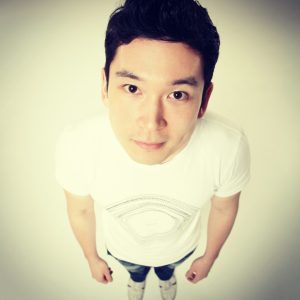
For the past year or so, I’ve been interviewing various people from diverse backgrounds who have interesting stories to tell. This is probably the first time I’ve interviewed someone who is a friend of mine, but it does not mean I had much clue about the answers I received from this interview.
I’ve known Andrew Park for about three years; I don’t recall exactly how we became friends, but we had mutual friends on Facebook then we got to talking via the SNS quite frequently. Andrew was working at an English academy as a lecturer and its café manager and I visited him once in a while to chat with him when he wasn’t too busy. Andrew is the type of person who keeps himself busy and active.
Because there are many foreigners working in Korea than ever before; the majority of them need help to adjust– some are looking for work or searching for a new job in Korea, especially because of the language barrier.
Andrew started a non-profit community site to help the people in need of a job or looking for a new place to live. Anyone who registers can post ads free of charge. http://every1korea.com/
We are living in a generation where the right kind of resources and information are appreciated and Andrew’s site is set up to help people gain the data they need.
I’m hoping this interview with Andrew will provide a great read for those who are planning to study or work in Korea and for the foreigners currently in Korea.
We thank Andrew for providing us with the interview and hope that he finds new adventures and goals in his new workplace.
Hello, Andrew, could you introduce yourself to our readers?
I’m currently working as a café manager at Pagoda Corporation. A lot of people visit our café to practice a foreign language before leaving Korea to live or study abroad. My job as the manager is to provide good service while making sure there is no one speaking Korean inside the café.
Before this job, I was an English teacher. It was only three years ago when I found my interest in coffee. I found a barista school near my house and visited the institute to ask some questions about becoming a barista and I ended up registering for a course that day. Upon the completion of the course, I was ready to take a barista test. After I passed the exam and became a certified barista, I worked at a coffee shop as a part-timer for a year. I really enjoyed the experience and started dreaming about having my own café one day. Since then visiting good coffee shops became one of my hobbies.
Most of my hobbies are related to dancing or workout. I’ve learned Latin dance, hip hop dance, jujitsu, boxing, rock climbing and these days I’ve been spending most of my hobby-time on tap-dancing. I think learning about coffee will be my life-time hobby along with tap-dancing.
I have another hobby that can also be considered as my job. I’m managing a community website that I designed three years ago to help foreigners living or planning to live in Korea, for them to share useful information. I have plans with this website for my future jobs. There are people posting on my website and people visiting to read new postings which would become much more active once I start spending more time on managing it.
*What was it like for you to adjust to Korea when you first came back from Canada?
I felt like I’m a foreigner in Korea when I first came back. Some people glanced at me when I spoke Korean in an inappropriate way or when I subconsciously did something in a way an average Korean wouldn’t do.
However, I was quick to adapt to the culture because it wasn’t completely new to me. I just needed experience living in Korea as an adult. I’m not too shy about meeting strangers so I made many friends within a year and Korea became my home again.
*What motivated you to start a non-profit site? (Every1Korea and the one on Facebook)
I worked as a recruiter at a Korean company about four years ago. The job was to hire foreign teachers and train them to teach B2B English.
Finding good teachers was not an easy thing to do with limited budget. Most job-seeking websites for foreigners with qualified teachers were too expensive to use.
I found some free-service websites but they never really had any good applicants. Then I started to write down the pros and cons of each website on scrap papers.
By the time I decided to leave the company, I had many pages of ideas that I’ve written down. I thought I can make a good website that recruiters can use without having to spend a lot of money.
*What kind of movies do you like to watch and recommend to our readers?
Most of the good movies that I recommend to other people are either action or dance movies. Of course, I’m a big fan of marvel series but who doesn’t like marvel movies? So, I won’t include them in my list.
‘I-robot’ is probably my most favorite action movie because I’ve watched it over ten times. For those of you who like to dance or like dance movies, I’d like to recommend ‘Save The Last Dance’. The movie doesn’t have spectacle dance moves like the movie ‘Step Up’ but you will be able to learn the true meaning of dance.
*Tell us about the film scenario you have plans to write.
It’s a top secret. (Winks)
*Tell us about what kind of dances you are learning.
I taught myself how to dance to Hip Hop or I should say the TV taught me how. I learned Latin dance for half a year just out of curiosity.
These days, I’m all about tap dance. Tap dance is the most difficult dance I’ve learned, yet it’s the most interesting dance of all. The best thing about tap dancing is that you can do it anytime anywhere without getting people’s attention.
*What kind of music do you listen to when you’re practicing dance moves?
I like to dance to urban hip-hop music or pop music. I like to dance to Justin Timberlake’s songs when I’m in the mood to pop and glide.
*Do you enjoy teaching English? Do you have a special method in teaching you’d like to share?
Yes, I love teaching English. I enjoy more when teaching is my part-time job because then I can put all of my energy into the lesson to have students actively participate and laugh throughout the whole class.
I like to come up with topics that students like to talk about. I believe students get to challenge themselves more when there’s a story they really want to tell. Everyone has their own story; teachers just have to help them make ways to tell them. This method is really tough with little children though.
*What would you advise to the foreigners who have plans to work or live in Korea?
I’d say do lots of research and ask around for real information on life in Korea.
I’ve met many foreigners settle down in one place, party and get drunk every day for a few years then get stuck with one easy teaching job but can’t enjoy teaching anymore because they teach solely for the money.
I hope to see more foreigners enjoy and to develop themselves while they are in Korea. Learning Korean language or Korean traditional dance would be nice.
*What do you normally do in your spare time?
It depends on the mood, but I usually make plans in advance to keep myself busy so I don’t remember when the last time was I had spare time. I sometimes like to just lie down in my bed and stare at the ceiling.
*Thank you very much for your time. The last question is where do you see yourself in ten years?
I’ll be running a café in Korea and maybe in Canada that is full of customers, customers that are mostly friends with me. I want my café to be a place like home for a lot of people and a place where people can network with each other.
—-J. Chung
Regardless of age and gender, the people of our generation are generally interested in health and keeping in shape. They also have the tendency to be very open to experiment new ways to maintain a healthier lifestyle.
Working out every day is generally considered extremely important by fitness and health experts, who claim that doing exercise on a daily basis is the most effective way to lose weight and attain a healthier state, both physically and mentally.
The type of food you eat and don’t eat will also contribute to your well-being and will massively affect how you feel and look.
I was able to interview a CEO who runs a business called, ‘Ballet Fitness,’ a business where ballet, yoga and other dances are taught to adults as well as children in pre-school. The CEO, Susie Lee has been at this fitness business since the mid 90’s.
For this interview, I questioned Ms. Lee for advice that many would be interested when it comes to dieting and working out.
We would like to express a massive ‘thank you’ to Ms. Lee for providing us with great advice and interview.
*Would you please introduce yourself to our readers and tell us about your fitness business?
I am the CEO of Ballet Fitness based in Itaewon, Seoul Korea.
Our business focuses on teaching our clients ballet, stretching, core yoga and power step. I majored in Ballet at Myungji University, participated in international competition (Jazz Ballet) and when I was at an Art High school, competed in various national and international competitions. I own a first grade license from KAFA fitness and a certificate of completion for the gymstick muscle routine.
*How did you get started in learning ballet?
I began learning ballet as a hobby when I was in elementary school, until my first year in middle school. Later, I majored in ballet when I moved onto high school, I participated in several national and international competitions, for fan dance, Jango dance and Korean traditional drum dance. I majored in Ballet at Myungji University and after graduating from university, I became a lecturer for dance.
*What is the most difficult when it comes to business and when do you feel the most rewarded?
The difficult part for me is probably doing the promotion for the business. I must say that I feel the most rewarded when I find my students are getting better postures, and when their body structure evidently improves for the better.
*What do you like to do during your free time?
I like to swim for my leisure!
*What do you think are the most important factors in order to dance well or exercise efficiently?
You need to do a lot of stretching to become physically flexible. You also need to choose to do the most adequate muscle exercise suitable to your level.
Above all, you need to have the right kind of moves in order to move in time with the music and to the beat to become a good dancer.
*What kind of person do you respect in general?
I respect someone who is always making an effort to become better.
*What kind of advice would you give to anyone who is struggling to lose weight and how do you maintain a healthy physique?
In the morning, I would advise them to drink a cup of fruit smoothie (Banana + blueberry, banana +kiwi, banana + mango…with half of the cup filled with water). They should have a full lunch and eat a light dinner. Then after dinner, drink a cup of smoothie or tea. Drinking tea can do a lot to dissolve unwanted fat in our system and it will also enhance blood circulation. The right kind of tea can also help you from aging and reserve healthy skin.
You can follow the above mentioned diet and remember to exercise every day. It is very challenging to live with just consuming 1700~1800 calories per day, but it would definitely bring you great results.
*Which Korean dish would you recommend to foreigners, which is great for a diet effect?
For lunch, I’d recommend them to try a dish of Dried mushroom soup (??????) and because the dish is low in calories, it is great for diet and extremely helpful for your immune system.
The seaweed soup (???) is very beneficial for the liver and it has very low calories, so when consumed it can easily give you a feeling of fulfillment. Cabbage is also very low in calories and is good for your liver and digestive system.
*Thank you very much for your time in taking this interview. Would you like to let us know your plans for the future?
My plans for the future? It would be to put my utmost and do my best for the business promotion and overall, I wish the business would go well and that people would achieve what they are looking for through our fitness program.
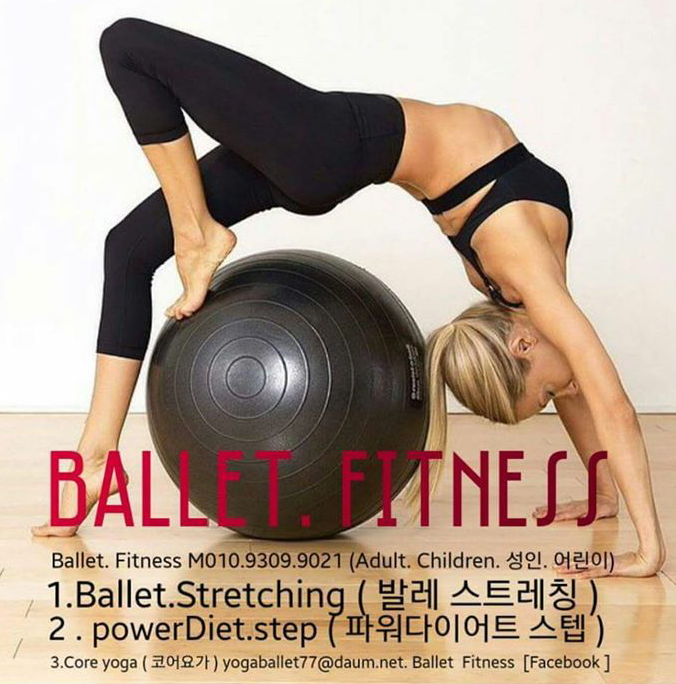
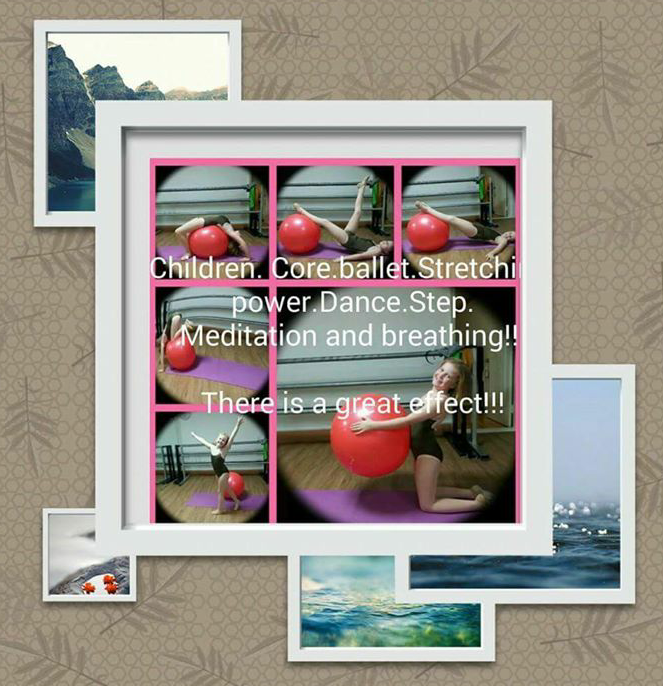
— J. Chung.
With the summer season upon us, MVs featuring non-summery themes are hard to come by, but those that aren’t summer-filled are hidden gems. Take JihoonOwl’s Project III’s “Fly to Your Dream.” The song, which was released July 2, features Kyuhee Song on vocals; and according to the YouTube description by 1theK, “The song is actually the autobiography of the author, Su Young Kim, who is travelling around the world after overcoming difficult childhood, and is singing the message like a musical that if you continue to challenge for your dream with courage over difficult surroundings, you can reach the goal eventually.”
“Fly to Your Dream” is a soft, whimsical song with some rock elements that tells a story about dreams and the possibilities that stem from them. The lyrics have a sense of hope and wonder, making the song suitable for young people who need encouragement. The overwhelming message is that even when people discourage you, you should stand for your beliefs and prove naysayers wrong (“People laugh at the girl, ‘You have no luxury for the dream.’ But the girl claimed ‘Until when will you blame your own destiny? Don’t you feel sorry for your life which never comes back’”).
The video closely matches the lyrics. A little green-haired girl has a dream of flying away to a different land. Her current world is broken, almost dystopian with her people lining up for food and working in deplorable conditions. She knows there’s a better life available elsewhere, and she convinces her friend (or perhaps her father since he is older) that there is a different place to go to start fresh. Others tend to discourage her suggestion until, one day; she jumps from a cliff toward the ocean, sprouting wings. From her, she takes her friend and some others to the better land where it is assumed they start a new life.
 However, at the very end of the MV, the little girl is nowhere to be found, but her friends are, creating an ending that’s open to interpretation. Did the little girl’s wings actually sprout because she believed so strongly in herself before she fell into the ocean, therefore ensuring she survived the jump; or did she land in the ocean and pass away, her spirit exiting her body before she landed then leading her friends to a better life? Since her physical presence is absent at the very end, the latter could be assumed, especially since she changes into a butterfly, one of the universal symbols of life after death. Again, this is open to interpretation.
The wings are the most important element of the song and MV as both allude to them often. When the MV begins, the child does not have wings. As she dreams and her childlike wonder and optimism grow, as do her wings. However, her wings remained crumpled as a symbol of how others tried to crush her hopes. When she started to spark wonderment in her friend, he, too, also sprouted wings. This serves as a symbol of how optimism and hope can change someone’s outlook on life.
While the song and story go hand-in-hand, what really needs to be discussed is the MV’s artwork by Scenario. Everything about the artwork made the video feel like a storybook come to life! The characters feel reminiscent of the 1980s’ TV show The Littles meets the 1994 Don Bluth film Thumbelina. Subtle animation, 2D, and 3D combine to create a whimsical experience that makes the MV a standout since it’s outside the usual poppy colors and dance themes. The contrasts between the dystopian and hopeful images and the dark and lighter paint schemes provide the necessary sense of conflict and resolution to make the MV a beautiful picture book.
Since the MV is so different and off the beaten path, it is a standout for 2015 already. Chances are with so many first and second tier groups making their comebacks this month, this gem will be buried and forgotten quickly. However, “Fly to Your Dream” earns a solid 4/5 for artistry.
—-Joelle Halon
Most Korean names (including the surname) consist of three syllables, although very rarely, some names would have two or four syllables.
So inevitably, there are many Koreans who have the same names and on top of that, the large majority of those names are unisex so it does make it extra difficult to figure out which Korean name belongs to a female or male, at times.
The confusion that same names would bring is no exception in the entertainment industry. Many celebrities or public figures are mistaken for each other if they have the same names. As a solution, some celebrities would rename themselves and use stage names in order to avoid confusion.
I chose to list ten Korean celebrities who share the same names and because some of these figures have such definite identities, having the same name with another entertainer does not cause that much of an issue to the public from acknowledging them.


Sora Lee (???)
There are mainly two celebrities with this name in the Korean entertainment industry. One of them is a model who rose to fame when she won the first supermodel contest held in 1992.
The other is a singer who made her debut with an album in 1995 and she has hosted her own TV show and worked as a radio DJ.
The two Soras have something in common other than their names; they happen to be the same age, the model Sora Lee is a month older than the singer.
Taewoo Kim (???)
There are many celebs with this name. Probably the most notable person with this name would be the actor, Taewoo Kim who appeared in several dramas and movies.
The singer, Taewoo Kim is the lead vocalist of the 90’s all-male pop band called ‘god’ signed under JYP Entertainment and they disbanded in 2005. The members reunited in 2014, after 9 years of hiatus as a group and produced a record with the title ‘Thanks.’
Minwoo Lee (???)
Minwoo Lee is a member of Korea’s all-male pop group, ‘Shinwha’ who made their debut in the year of 1998 under SM Entertainment.
Shinhwa members are currently the only K-pop band to have their own label, with Lee as co-owner of the company with fellow band member, Eric.
The other celebrity who shares the name is an actor, well known for his roles in sitcoms, TV dramas and films. Lee has been in the entertainment business for a long time, he initially started his career as a child actor in 1981.
Jihoon Lee (???)
There are several public figures with this name, including several actors, baseball player and a former pro-gamer.
The most notable figure with this name would be the Korean singer Jihoon Lee made his debut in 1996, while he was in high school.
In the later years, he appeared in musicals, TV dramas and films.
The actor who is also called Jihoon Lee is an actor, who is a few years junior to the above mentioned singer-turned-actor. So far, Lee mostly covered supporting roles in TV shows and featured in two films since the year 2013.

Jiyoon Park (???)
The celeb who is known for this name is the singer, Jiyoon Park who debuted as a commercial model at age 13. She appeared in sitcoms before focusing more on her singing career. From 2000 to 2003, Park was signed under JYP Entertainment. After taking few years off, she released an album in 2009 and has been producing music since.
The other Jiyoon Park who is well-known to the public is an emcee and TV presenter, who was formerly a news announcer for KBS from 2004 to 2008. After becoming a freelancer she has since hosted and featured in many TV shows.

Jihoon Kim (???)
The most famous celebrity with this name would be the Korean actor Jihoon Kim who has been featured in many TV shows, two musicals and one movie since his debut in 2002.
The singer, Jihoon Kim was the former member of the 90’s quartet band called, ‘Two Two’ who were named that way because the members were 22 years old. In 2000, Kim later formed a duo group called, ’Duke’ and was active until 2007. In December of 2013, it was reported that Kim took his own life. Sources claim he was suffering from depression and other complications.
Jungmin Kim (???)
The singer with the name, Jungmin Kim is a rock singer who debuted in 1994 with his first album. He is known to have had numerous hits in the 90’s era.
The other celebrity with the same name is an actress (who may be lesser known to the public than the above mentioned singer) that has been appearing in sitcoms and dramas since 2003.
Gyuri Kim (???)
Gyuri Kim is a model-turned-actress whose name was formerly, Minsun Kim. She changed her name in 2009, after she made a statement that later tarnished her reputation. The model-turned-actress has been active in various TV dramas and films since 1998.
Gyuri Kim is a stage name for an actress who made her debut in a TV drama in the year of 1996. The actress has not been in the public eye for several years, but she is currently featured in a morning TV drama.

Yuri (??)
Yuri is the name of one of Girls’ Generation members who made their debut in 2007. Yuri appeared in a music video, ‘Beautiful Life’ by DBSK (TVXQ) in 2005. Other than the girl group activities, Yuri has appeared in many variety shows as well as TV dramas.
The other singer who goes by the stage name, ‘Yuri’ is a member of the trio K-pop band, ‘Cool’ which was very successful in Korea during the mid 90’s. After the group disbanded, she formed a group called, ‘Girlfriends’ for a while before launching her own shopping mall.
Junhyung Park (???)
This member of ‘god’ also goes by the name, Joon Park. Before ‘god’ hit off, he worked briefly as a back-up dancer for Janet Jackson. After the group members drifted apart in 2005, Park pursued acting and appeared in Hollywood movies, ‘Speed Racer’ and ‘Dragonball Evolution.’ Park is Korean-American, who grew up in California. He is frequently questioned whether he is biracial, but both his parents are Korean.
The other person with the same name is a comedian and musical actor, Junhyung Park. His career as a comedian began in 1997 and currently, he is the CEO of the management company for comedians.
–J. Chung
In recent years, Thailand has started to gain attention for their dramas and movies. One series in particular, 2014’s Lovesick, has sparked interest among domestic and international fans alike. Lovesick has quite the cult following on social media. The story has an interesting premise. That’s not all: The story is also based on an online Thai Boy Love novel/series called Lovesick: The Chaotic Lives of Blue Shorts Guys by IndryTimes.
While the story has an interesting premise, there are times when the series has awkward pacing and scenes that make the tale seem jilted at times. Even with these occurrences, it’s easy to see why Lovesick has the following it does.
Plot
Lovesick focuses on Phun (Phumphothingam Nawat) and Noh (Kongyingyong Chonlathorn), the two male protagonists. Life gets complicated for Phun after his father tells him he wants Phun to date his friend’s daughter. Phun has an issue: He’s already dating a girl named Aim (Chindavanich Primrose). To avoid dating his father’s friend’s daughter, Phun’s sister, Pang (Nuchanart Veerakaarn)—who is obsessed with “boy love” stories—tells him to have a boy love romance. This is where Noh comes in as both make an agreement to engage in a faux relationship. However, as the story progresses, it’s clear the faux-mance may have more to it.
Their relationship serves as part of the story, with the rest of the tale focusing on dealing with school and the dramas that come with it.
Thoughts
When the series opened, the first episode slogged, so there were feelings of “how will I make it through this series if the pacing is so slow in this episode?” Well, once you make it past the first episode, pacing does improve for some episodes. This was something that cropped up as an issue for Lovesick because there are episodes that are well though-out with engaging acting and action, but then there are some episodes where the show drags, especially when characters that aren’t Phun and Noh are concerned.
While watching, the story felt almost too idealized, like Lovesick came straight from a Boy Love fanfiction. Supporting characters come across as stereotyped teenagers that could be found at any school anywhere in the world, but this could be part of the show’s appeal for so many people. The characters are relatable, but they can come across as dull because they are a typical representation of everyday high school students. To some degree, it felt like Lovesick could have been more interesting with something out of the ordinary, but this didn’t occur.
However, while the supporting characters feel a little less interesting, Noh and Phun are not. There is something sweet and natural about their characterizations and how they grow throughout the series together. Their awkwardness felt realistic, as did their conversations at times. It is fun to watch how these two interact as their friendship branches off into new territory. Since they are the main characters, it is good they do come across more natural since the show would feel weird overall.
As much as Noh and Phun are enjoyed, there are times when the acting does take away from the natural ease of the characters. Perhaps it was some of the awkward writing, but there were moments when acting felt wooden and like the actors were going through the motions just to get past a scene or two. This happens in a lot of series, though, so it’s not that big of deal. However, when awkward acting moments happen, it is easy to pick up on. In season two of the series, these moments may improve.
The series is engaging in its own way, so it’s understandable why there is an appeal. The Boy Love angle Lovesick has is enough to keep viewers engaged because it’s interesting just to see the romance develop. This alone kept me engaged, so there are positives to the series. However, if you’re someone who isn’t into Boy Love scenarios and school-focused stories, Lovesick may not be the drama for you. However, give it a chance because you find it worth it.
Lovesick earns a 2.5/5.
–J. Chung
Girl’s Day made their highly-anticipated return with their second full-length album, Love. Since “Something,” Girl’s Day have been rightfully earning attention from the K-Pop world, so there’s a lot of interest in Love.
For fans that enjoy Girl’s Day’s music over the past two years, you may enjoy the album, but it may sound a little too familiar. For those looking for something new from the group, there are a handful of songs to keep you occupied. Overall, some fans may find themselves a little disappointed in what Love has to offer.
“With Me” opens the album. The music has a disco sound which Girl’s Day matches well. The song has some unique elements to it because it goes from a disco beat to incorporating some tango. You can hear Minah loud and clear on the track, too, but overall vocals sound really good. Yura’s parts are strong and husky adding some strength to the track. Toward the end, something feels a little messy with the tempo change, like Girl’s Day are singing a bit outside their vocal range. However, “With Me” is the perfect way to get started.
The promoted track is “Ring My Bell.” The use of harmonicas in the track is definitely interesting and something that isn’t heard often in K-Pop tracks. The song is upbeat and easy to enjoy as it has many strengths from the memorable verses, impressive hook, and catchy chorus. The “I feel you breathe” portions provide a nice break in the song prior to Yura’s rap. The vocals really show how Girl’s Day have grown since debut since the girls are way more expressive than before. This has the potential to be a hit.
“마카롱” is one of the most interesting songs on Love. The Big Band/ Scat sound makes for a standout song. It’s easy to imagine them in 1940s fashion performing this song on stage. The song is all at once refreshing and retro. Girl’s Day did a great job making something old-sounding new again. The song does feel like it loses some steam at the end, but it’s energetic and fun.
The fourth track is “Come Slowly.” “Come Slowly” is a ballad track that highlights Girl’s Day’s soft and subtly powerful vocals. Sojin, Hyeri, and Minah sound amazing and dreamy, helping to express the group’s maturity. The girls utilize different keys well to create a beautiful song that sounds romantic and sweet. Fans of 1990s US ballads and R&B songs may enjoy “Come Slowly” because it is reminiscent of that era.
“Top Girl” brings back the dance mood. Some lines feel rushed and awkward; at the same time, the composition feels somewhat messy. There’s just something that feels off about “Top Girl.” It took a few listens to actually get behind the song to where there’s a sense that it’s an okay listen. The song isn’t bad, but it’s not the best. There’s just something inherently amiss about “Top Girl” that just makes it not as exceptional as it should have been.
“Top Girl” is gladly overlooked because one of my all-time favorite Girl’s Day tracks, “Darling,” is included on Love. “Darling” is just an essential summer song that feels like sunshine, ice cream, and tasty fudge from a Main Street candy shop or a 1950s soda shop. “Darling” is the song you pull out to listen to on a really bad day just to feel chipper once again. “Darling” is just joy embodied in a song, and that can’t be messed with at all.
“휘파람” is another upbeat track with strong and impressive instrumentals. The song is one of Girl’s Day’s edgier tracks, so it’s impressive for that alone. While it still has their signature feminine sound, there is something extra that makes it stand out. The girls switch well between higher and lower notes well, creating an interesting dynamic. Some may listen to the track and hear the whistling in the background. At times, the whistling feels like it’s from Brown Eyed Girls’ “Kill Bill.” There is something familiar about the track, so this might be it.
The eighth track, “Look at Me,” was featured on Everyday III. The song is a lovely ballad with a waltz beat. The song embodies growing up and maturing, especially in love. The message of the song is clear since they want potential love interests to see them as ladies instead of children. There is a delicate beauty in “Look at Me” that does show Girl’s Day beauty. It was a good song on Everyday III, and it’s still a good song on Love.
Also making an appearance on Love is Girl’s Day’s 2014 hit song “Something.” It seems fitting to have “Something” on the album since it is the one that further propelled them into the spotlight in 2014; in 2015, it’s surrounded by songs on an even stronger album. Adding the track onto Love feels like a “thank you” to fans for showing their support and they will look to the past to remember how they got to such a high point in their careers.
“Timing” is the tenth song and originally appeared on their Summer Party album. The song was one of our favorites last year, and this holds true on Love. The bouncy beat accentuates Girl’s Day and helps to embody their cheerful personas. The song is a nice “crush song” as the girls sing about a man who needs to stop pussy-footing around asking for a date. “Timing” is cute and straightforward and still enjoyable in 2015.
“I Miss You” is also a track from 2014. Girl’s Day ballads are special because they show their range. “I Miss You” has nice melodies and harmonies, so this is something fans don’t have to worry about with them. “I Miss You” is a pretty song, but it can easily be overshadowed by other tracks.
Another track from Everyday III appears with “Show You.” The song works well for the girls to show their vocal abilities, although the higher notes feel strained at times. What’s nice about “Show You” is how vocals and instrumentals blend well since one doesn’t overpower the other. The song as a whole is just pretty and not very memorable because it’s too soft at times, but it’s still nice.
Finally, “Hello Bubble,” a project song from earlier in 2015, wraps up the album. “Hello Bubble” opens interestingly to make the song sound like it’s going to be edgy and a different sound than what we’re used to from Girl’s Day. Unfortunately, the song shifts into a comfortable pop song, so this was a letdown to some degree. “Hello Bubble” is cute and enjoyable and allows Girl’s Day’s cuteness to shine. It is a nice way to close the album.
Many fans probably expected a lot of new songs from Girl’s Day, but there were only a handful of new ones. Older tracks tend to dominate the album, which would make fans of their older songs happy. Overall, expectations were high, so there is a bit of a letdown with Love. Love earns a 3/5.
–Joelle Halon